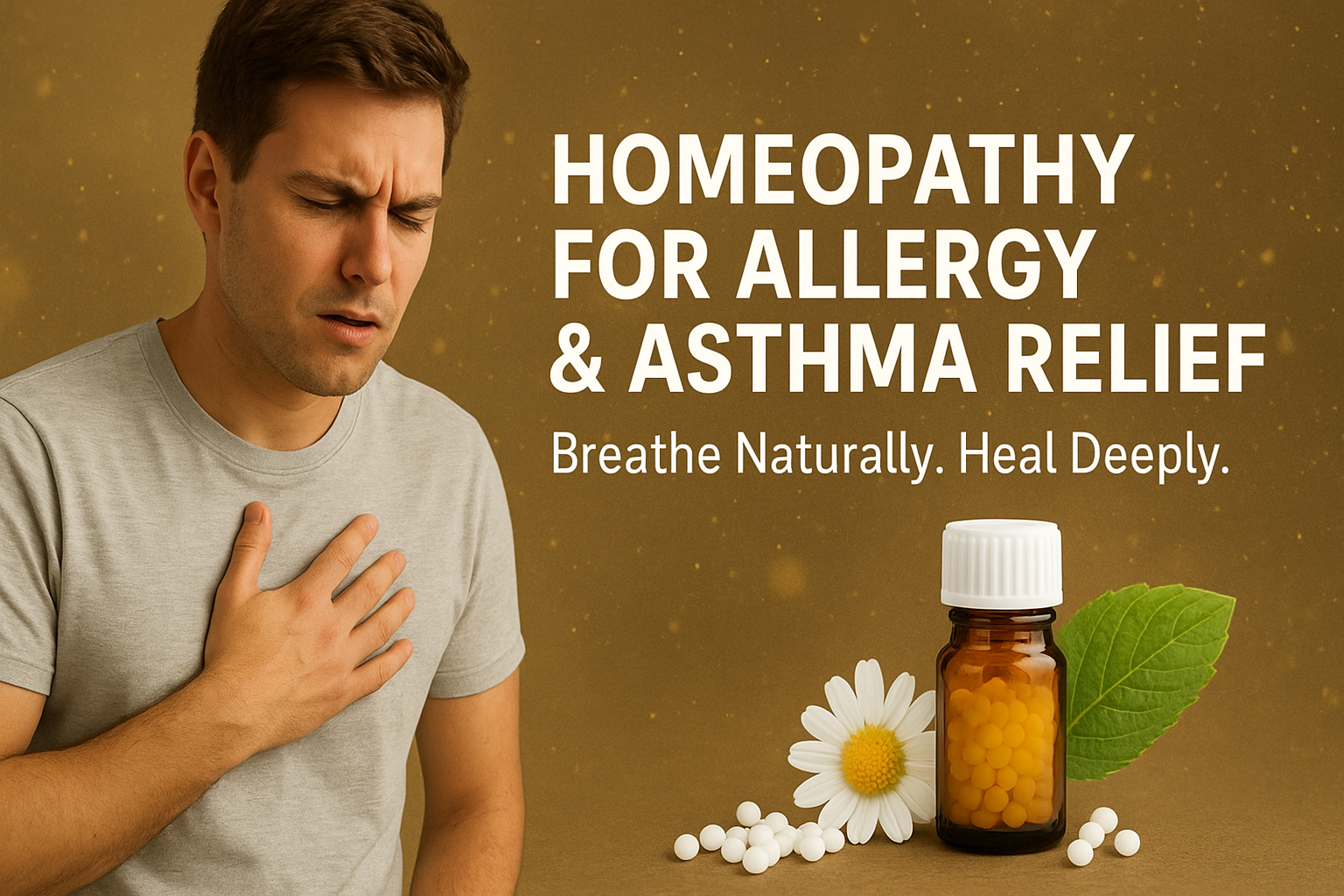
Allergy and Asthma: A Holistic Path
Understanding Causes, Care Options, and Constitutional Homeopathic Treatment
If you or your child experience repeated sneezing fits, an itchy runny nose, skin rashes, or sudden breathlessness whenever the seasons change, you are not alone. Allergic diseases and asthma are among the most common chronic health concerns worldwide, and global health data shows their numbers continuing to rise, particularly in urban areas. This article explains what causes allergies and asthma, how they are diagnosed and managed, and how a holistic approach — including classical homeopathy, lifestyle change, and spiritual wellbeing — can support long-term respiratory health.
What Are Allergy and Asthma?
An allergy is the immune system's exaggerated reaction to a substance that is normally harmless, such as pollen, dust mites, pet dander, certain foods, or chemical irritants. When the immune system mistakenly identifies these as threats, it releases histamine and other inflammatory chemicals, producing sneezing, itching, watery eyes, skin hives, or a runny nose.
Asthma is a related but distinct condition: a chronic inflammatory disorder of the airways. The lining of the bronchial tubes becomes swollen and overly sensitive, causing recurrent episodes of wheezing, coughing, chest tightness, and breathlessness. In many people, allergic triggers and asthma symptoms overlap closely, which is why the two are often discussed together as part of the broader 'allergic march.'
Common Causes and Risk Factors
Both conditions tend to arise from a combination of inherited tendency and environmental exposure. Recognized contributors include:
• Genetic predisposition: A family history of allergies, eczema, or asthma (often called 'atopy') significantly raises individual risk.
• Environmental allergens: Dust mites, mold, pollen, pet dander, and air pollution are frequent triggers.
• Respiratory infections: Frequent colds or viral infections in early childhood can sensitize the airways.
• Dietary factors: Certain foods or food additives may provoke allergic responses in sensitive individuals.
• Emotional stress: Anxiety and prolonged stress can aggravate both allergic skin conditions and asthma attacks.
• Smoke and irritant exposure: Tobacco smoke, strong perfumes, and chemical fumes commonly worsen symptoms.
Recognizing the Symptoms
Allergic conditions can affect the nose and eyes (allergic rhinitis), the skin (eczema or urticaria), or the airways (asthma). Common signs include persistent sneezing, nasal congestion, itchy or watery eyes, skin rashes, and — in asthma — wheezing, a tight feeling in the chest, breathlessness, and a cough that often worsens at night or with exercise. Symptoms may be mild and occasional, or severe and frequent, depending on the person's sensitivity and exposure to triggers.
How Allergy and Asthma Are Diagnosed
Diagnosis usually begins with a detailed history of symptoms, possible triggers, and family background. A physician may use a stethoscope to listen for wheezing, and further tests can include allergy skin-prick testing, blood IgE levels, or lung function tests such as spirometry, which measures how well air moves in and out of the lungs. These conventional diagnostic tools remain valuable for confirming the diagnosis and assessing severity, and homeopathic care works well alongside them rather than replacing them when clinical evaluation is needed.
Possible Complications if Left Unmanaged
Poorly controlled allergic disease and asthma can affect daily life and, over time, may lead to disturbed sleep, reduced exercise tolerance, frequent school or work absences, and in severe asthma, a heightened risk of serious breathing difficulty during an attack. This is why early recognition and consistent management — whichever approach a person chooses — are so important.
Prevention: Reducing Exposure and Building Resilience
• Keep the home clean and well-ventilated; wash bedding regularly to reduce dust mites.
• Identify and minimize contact with personal triggers, whether foods, pollen, or pet allergens.
• Avoid tobacco smoke and strong chemical fragrances indoors.
• Maintain a healthy immune system through balanced nutrition, adequate sleep, and regular movement.
• Manage stress proactively, since emotional strain is a recognized trigger for flare-ups.
Classical Homeopathy: An Individualized Approach
Classical homeopathy approaches allergy and asthma not simply as a fixed diagnosis but as an expression of a person's overall constitutional sensitivity. Two people with the same diagnosis of asthma may receive different remedies because their triggers, temperament, thirst, thermal preferences, and emotional patterns differ. A qualified homeopath takes a detailed case history before selecting a remedy, and treatment is always individualized rather than one-size-fits-all. The remedies below are commonly considered, with their keynote features — though only a trained practitioner can determine the right fit for a particular patient:
• Arsenicum Album — Anxious, restless breathing with burning chest sensations, typically worse at night, with thirst for small sips of water.
• Ipecacuanha — Persistent cough accompanied by constant nausea, with rattling mucus that is difficult to bring up.
• Sambucus Nigra — Sudden attacks of suffocation at night, with a blocked nose, especially common in young children.
• Natrum Sulphuricum — Asthma that worsens in damp, humid weather, with greenish mucus and notable emotional sensitivity.
• Lycopodium — Right-sided breathing difficulty that is typically worse between 4 and 8 PM, often with bloating and a fear of being alone.
• Phosphorus — A burning sensation in the chest, occasional bleeding tendency, and a strong desire for cold drinks.
• Pulsatilla — Allergic symptoms with thick yellow mucus, frequently changing complaints, and a gentle, weepy disposition.
• Sulphur — Long-standing allergic tendency with aggravation from heat and noticeable chest tightness in the morning.
• Calcarea Carbonica — Breathlessness brought on by exertion, often in a chilly individual with a tendency toward weight gain and head sweating.
• Antimonium Tartaricum — Rattling chest mucus with a weak, ineffective cough, difficult expectoration, and drowsiness.
Homeopathic treatment is generally regarded as gentle and non-suppressive, aiming to support the body's own regulatory capacity over time. As with any therapy, it should be guided by a qualified practitioner, and severe or acute breathing difficulty should always receive prompt medical attention.
Lifestyle Modification: Strengthening the Body's Resilience
• Diet: Favor anti-inflammatory foods such as fresh fruits, vegetables, and omega-3-rich foods like fish or walnuts, while limiting processed foods and common dietary triggers.
• Sleep: Prioritize consistent, restful sleep, since fatigue can lower the body's resistance to allergic flare-ups.
• Exercise: Gentle, regular activity such as walking or swimming strengthens lung capacity; warm up gradually if exercise-induced symptoms are a concern.
• Stress management: Breathing exercises, prayer, meditation, or quiet reflection can reduce the emotional tension that often triggers symptoms.
• Habits: Avoid smoking and secondhand smoke, maintain good indoor air quality, and keep a symptom diary to identify personal triggers.
Mind | Body | Deen
Breathlessness can be frightening, and the anxiety it brings often becomes part of the condition itself — each worry can heighten muscle tension and make breathing feel even more restricted. Recognizing this mind-body connection is an important part of holistic care.
Islamic teaching offers comfort and guidance for those living with chronic illness. The Prophet Muhammad (peace be upon him) said, 'Make use of medical treatment, for Allah has not created a disease without appointing a remedy for it, except for one disease — old age' (Sunan Abu Dawood). This encourages believers to seek appropriate treatment with full confidence that healing is part of Allah's design.
The Quran also reminds us: 'And when I am ill, it is He who cures me' (Surah Ash-Shu'ara, 26:80), a verse that can bring deep reassurance during moments of breathlessness or anxiety. Combining sincere effort — through medical care, homeopathy, and healthy living — with trust in Allah reflects the balanced approach taught throughout Islamic tradition.
Living Well with Allergy and Asthma
Allergic disease and asthma are manageable conditions. With accurate diagnosis, sensible lifestyle adjustments, and an individualized treatment plan — whether conventional, homeopathic, or a thoughtful combination guided by qualified professionals — most people achieve excellent long-term control and a full, active life. The most important step is simply not to ignore recurring symptoms, but to seek proper evaluation and consistent, personalized care.
Dr. Benojir
Classical Homeopath & Islamic Life Coach
Mind | Body | Deen
“We Treat; Allah Heals”