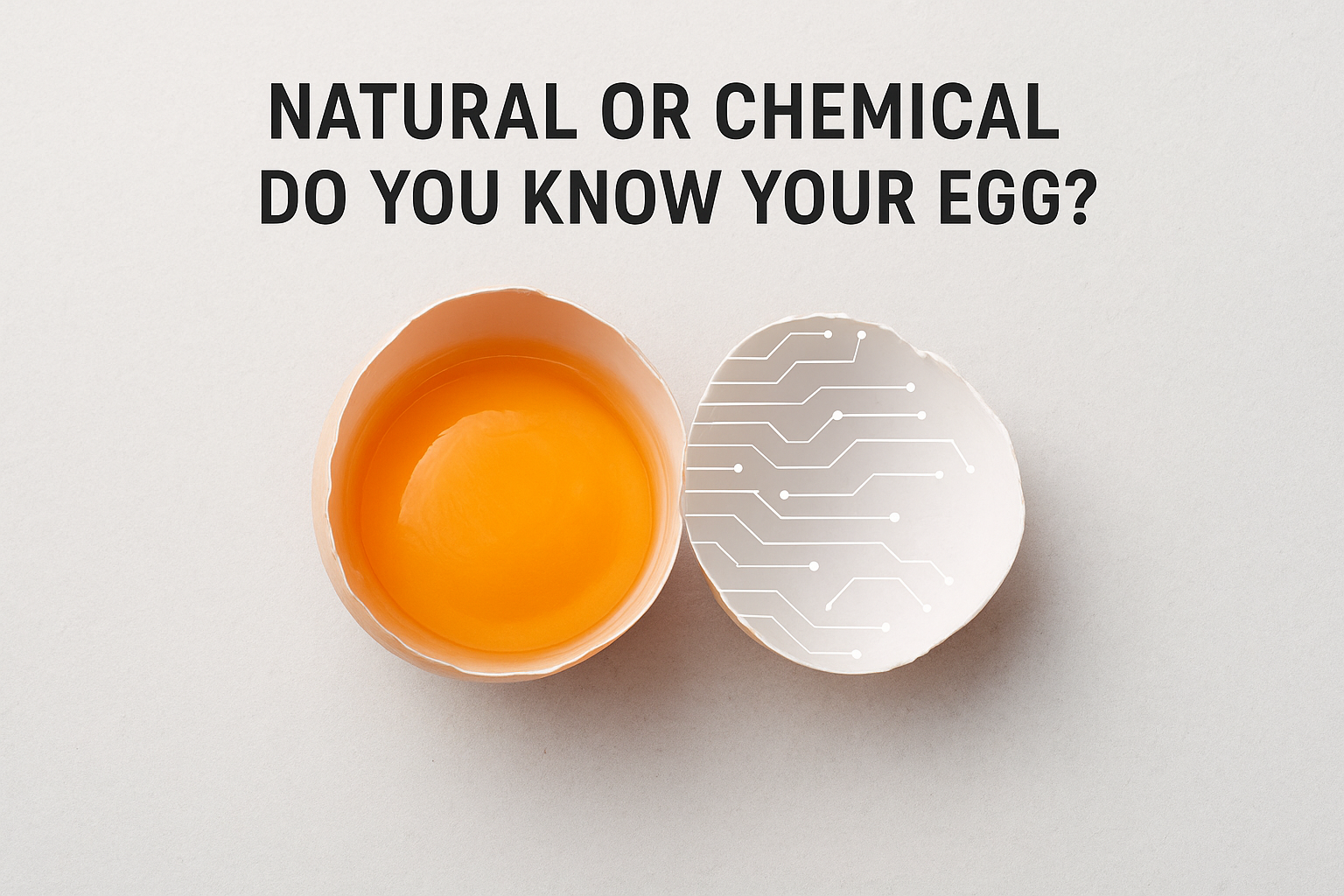
What Science, Homeopathy, and Islamic Wisdom Reveal About the Egg on Your Plate
Eggs have nourished human civilizations for thousands of years. They are among the most nutritionally complete foods found in nature, celebrated for their high-quality protein, essential fatty acids, vitamins, and the critical brain nutrient choline. Globally, more than 1.4 trillion eggs are consumed annually, making the egg one of the most important foods in the modern diet.
But the story of the egg has changed. The rise of large-scale, industrial poultry farming has transformed how hens live, what they eat, and what ends up inside the eggs they produce. Parents wonder whether commercial eggs are safe for their children. Pregnant women ask whether daily egg consumption carries hidden risks. Patients with chronic illness enquire about chemical residues and antibiotic contamination.
This article answers those questions honestly, drawing on current scientific evidence. It also explores what Classical Homeopathy offers for supporting the body through everyday dietary exposures, and what Islamic tradition teaches us about clean food, gratitude, and the connection between what we consume and how we feel.
The Nutritional Power of the Egg
A single large egg provides approximately 6 to 7 grams of high-quality protein, containing all nine essential amino acids in proportions that match what the human body needs. According to a 2022 review published in Nutrients, egg protein has the highest attainable Protein Digestibility-Corrected Amino Score (PDCAAS) of any whole food, surpassing meat, dairy, and plant proteins (Puglisi & Fernandez, 2022).
Beyond protein, one egg delivers:
• Choline: Critical for fetal brain development, liver function, and nerve signaling. Most adults do not consume enough choline from other sources.
• Vitamin B12: Essential for red blood cell formation and neurological health.
• Vitamin D: One of the few dietary sources of this immune-regulating vitamin.
• Lutein and Zeaxanthin: Powerful antioxidants that protect eye health and reduce the risk of age-related macular degeneration.
• Selenium, Iodine, and Riboflavin: Micronutrients vital for thyroid function, metabolism, and cellular repair.
A 2025 umbrella review published in Nutrition, Metabolism and Cardiovascular Diseases, examining 38 systematic reviews, concluded that there is currently insufficient evidence to discourage moderate egg consumption, and that eggs can reasonably be part of a healthy, balanced diet (Siani et al., 2025).
The Cholesterol Question: Putting the Debate to Rest
For decades, eggs were viewed with suspicion because of their cholesterol content. A single egg yolk contains roughly 186 mg of dietary cholesterol. But decades of research have significantly revised our understanding of how dietary cholesterol affects the body.
The liver produces cholesterol endogenously and regulates its output in response to what we eat. For the majority of healthy individuals, eating one to two eggs per day does not meaningfully raise LDL cholesterol and may in fact raise HDL ("good") cholesterol. The Nordic Nutrition Recommendations 2023 Scoping Review, which examined evidence through 2022, found that moderate egg intake of up to one egg per day is not associated with increased cardiovascular disease risk, particularly in European and comparable populations (Eggs Scoping Review, NNR 2023).
Where caution is warranted: individuals with familial hypercholesterolemia or those carrying the APOE4 genetic variant may experience a more pronounced cholesterol response to dietary cholesterol. These individuals should discuss their egg intake with a clinician or registered dietitian.
Patient question: "My doctor told me to avoid eggs. Is that still right?"
The answer depends on your individual health profile. For most people without underlying lipid disorders, one to two eggs per day is considered safe. Blanket egg avoidance is no longer supported by current evidence. However, personalized guidance remains important.
Inside Industrial Farming: What Goes into the Egg?
The health credentials of an egg are only as good as the health of the hen that laid it. This is where modern commercial poultry farming introduces important concerns.
In large-scale industrial egg production, hens are commonly housed in overcrowded conditions that increase disease transmission risk. To address this, farm operators routinely administer antibiotics, not only to treat illness but historically as growth promoters. Vaccines, synthetic vitamins, color-enhancing feed additives, and growth-stimulating chemicals are also widely used.
The concern is not theoretical. A 2024 study published in PMC examining seven common antibiotics in laying hens confirmed that antibiotic residues can persist in eggs when appropriate withdrawal periods are not observed (PMC, 2024). A Chinese surveillance study of 1,211 egg samples found antibiotic residues including enrofloxacin, sulfonamides, and florfenicol, all of which are banned during the laying period, though detected residue levels in that study did not exceed international food safety thresholds for adult consumers (Food Research, 2022).
A 2023 ScienceDirect review further identified over 60 classes of antibiotics, including tetracyclines, macrolides, and quinolones, detectable in commercial eggs in various international markets (Paoletti et al., 2021, cited in ScienceDirect 2023). The risk is highest in regions where regulatory oversight is weak, withdrawal periods are ignored, or antibiotics are used without veterinary supervision.
What does antibiotic residue exposure mean for health?
The primary concern is not acute toxicity from a single egg. Rather, it is the cumulative contribution to antimicrobial resistance (AMR), a global health emergency recognized by the World Health Organization. Repeated low-level exposure to antibiotic residues may contribute to resistant bacterial strains within the gut microbiome, making future infections harder to treat. Some individuals may also experience allergic reactions to residual drug compounds, particularly those with sensitivities to penicillin or sulpha drugs.
Are Eggs Safe During Pregnancy and for Children?
Eggs are among the most valuable foods for pregnancy and early childhood, provided they are properly sourced and cooked. Choline, found abundantly in the yolk, is particularly important during the first and third trimesters of pregnancy, supporting fetal neural tube development and brain architecture. Many pregnant women are deficient in choline, and eggs are one of the most accessible dietary sources.
For infants and young children, egg protein supports muscle development, and the lutein in egg yolk contributes to visual development. The WHO and major pediatric nutrition bodies endorse eggs as part of the complementary diet from six months of age, once allergic risk has been assessed.
Where caution is needed during pregnancy:
• Never consume raw or undercooked eggs, due to the risk of Salmonella infection, which can cause severe illness and miscarriage.
• Limit eggs from unknown or unregulated sources if you are concerned about antibiotic residues or poor hygiene standards.
• Women with gestational diabetes should discuss egg intake with their care team, as a 2022 Chinese prospective study found an association between very high dietary cholesterol intake and increased gestational diabetes risk (Zhang et al., 2022), though the association was dose-dependent and did not extend to moderate consumption.
For healthy pregnant women eating well-sourced, properly cooked eggs, one egg per day is widely considered safe and beneficial.
How to Choose a Safer Egg
Not all eggs are equal. The farming system and diet of the hen determine the nutritional quality and safety profile of the egg. Here is how to make a more informed choice:
Organic or Pasture-Raised Eggs
Hens raised on pasture have access to fresh air, sunlight, and insects, which naturally elevates the omega-3 fatty acid content of their eggs. Organic certification prohibits routine antibiotic use and requires non-GMO, chemical-free feed. Research consistently shows that pasture-raised eggs contain higher levels of vitamin E, omega-3s, and lower omega-6 to omega-3 ratios compared to conventional caged-hen eggs.
Omega-3 Enriched Eggs
When hens are fed flaxseed, algae, or fish meal, their eggs contain significantly higher levels of DHA and EPA, the long-chain omega-3 fatty acids associated with cardiovascular and brain health.
Local Farms with Transparent Practices
Small, local farms with transparent practices are often safer than large commercial operations in regions where regulatory enforcement is inconsistent. Ask how hens are housed, what they are fed, and whether antibiotic withdrawal periods are observed.
Always Cook Eggs Properly
Cooking at appropriate temperatures kills Salmonella and degrades many chemical residues. Fully cooked eggs, where both white and yolk are set, are safest for children, pregnant women, elderly individuals, and anyone with a compromised immune system.
Lifestyle Modification: Supporting Your Body Through Dietary Choices
No single food exists in isolation. How you eat, live, and manage stress determines how well your body handles everyday dietary exposures, including any trace residues in commercial eggs.
Diet
Build meals around a diverse range of whole, unprocessed foods. Cruciferous vegetables such as broccoli, cauliflower, and cabbage support hepatic detoxification pathways. Fiber from legumes, oats, and vegetables promotes healthy gut motility and reduces reabsorption of waste compounds. Fermented foods such as natural yoghurt, kefir, and homemade pickles support the gut microbiome, which plays a central role in immune regulation. Turmeric, garlic, ginger, and green tea are rich in antioxidants and anti-inflammatory compounds that support the liver and immune system.
Hydration
Adequate water intake, typically 2 to 2.5 liters per day for adults, supports kidney function and the elimination of metabolic waste products.
Sleep
The liver performs much of its regenerative and detoxification work during deep sleep. Seven to nine hours of uninterrupted sleep per night is associated with better metabolic and immune health. Chronic sleep deprivation is linked to increased inflammation, impaired gut barrier function, and heightened susceptibility to food-borne toxins.
Exercise
Regular moderate physical activity, such as brisk walking, swimming, or cycling for 30 minutes most days, improves circulation, lymphatic flow, and gut motility, all of which support the body's natural elimination systems.
Stress Management
Chronic psychological stress impairs gut barrier integrity, reduces immune tolerance, and amplifies the body's inflammatory response to dietary antigens. Daily practices such as deep breathing, dhikr, time in nature, or gentle yoga help regulate the stress response and support overall resilience.
Rotating Your Protein Sources
Even high-quality eggs should not be the sole daily protein source. Diversify with lentils, chickpeas, fresh fish, natural yoghurt, tofu, paneer, and a variety of nuts and seeds. This ensures nutritional breadth and reduces cumulative exposure to any single food's residue profile.
Classical Homeopathy: A Holistic Approach to Dietary Sensitivity and Toxic Exposure
Classical Homeopathy approaches health not as the absence of a specific disease, but as the dynamic vitality of the whole person. When the body is burdened by cumulative dietary toxins, antibiotic residues, or chronic digestive sensitivity, a skilled homeopath evaluates the totality of the individual's symptoms, their unique constitution, emotional state, physical sensations, and life circumstances, before selecting a single, individualized remedy.
In the context of concerns about egg safety, commercial feed residues, and antibiotic exposure, Classical Homeopathy may offer supportive care in three areas: restoring gut health and digestive integrity, supporting liver and kidney function in clearing residues, and strengthening immune resilience. Below are commonly indicated remedies with their keynote characteristics:
1. Nux Vomica
The premier remedy for toxic overload. Suited to individuals with a history of dietary excess, medication overuse, or exposure to chemical compounds who present with irritable digestion, constipation alternating with urgency, nausea after eating, and irritability. The liver and intestines are the primary targets. Highly indicated when the digestive system has been burdened by repeated antibiotic courses or chemical-laden food.
2. Lycopodium Clavatum
For individuals with impaired liver function and fermentative digestion. Characteristic symptoms include bloating and gas, particularly worse in the late afternoon, a craving for sweets, and a tendency to feel full very quickly. Useful where long-term dietary compromise has left the liver sluggish.
3. Chelidonium Majus
A primary liver and gall bladder drainage remedy. Keynote symptoms include right-sided pain under the right shoulder blade, yellow-tinged skin or eyes, constipation with clay-colored stools, and fatigue linked to hepatic congestion. Classical homeopaths have long used Chelidonium tincture to support detoxification pathways in cases of prolonged drug and antibiotic exposure.
4. Berberis Vulgaris
Acts on the liver, gall bladder, and kidneys simultaneously. Indicated where there is radiating pain in the kidney or gallbladder region, rapidly changing symptoms, and a tendency to form kidney stones. A key drainage remedy when urinary elimination needs support.
5. Arsenicum Album
For individuals who experience anxiety, restlessness, and burning sensations alongside digestive disturbance following potentially contaminated food. This remedy suits the person who is fastidious, fearful, and experiences symptoms that are better with warmth. Pre-clinical studies have noted immune-stimulating properties at ultra-high dilutions.
6. Carbo Vegetabilis
When the digestive system is bloated, sluggish, and feels cold and collapsed from within. The individual who needs Carbo Veg may feel that the gut "never recovered" after a bout of illness, antibiotic treatment, or a period of dietary indiscretion. A great reviver of depleted vital energy.
7. China Officinalis (Cinchona)
A classic remedy for debility following loss of body fluids or prolonged illness. Useful when the patient has been weakened by repeated infections requiring multiple antibiotic courses, leaving them with anemia, flatulent distension, and hypersensitivity to touch.
8. Natrum Sulphuricum
A deep-acting liver remedy with a particular affinity for conditions aggravated by damp environments and toxic exposures. Useful in children and adults with a history of liver-related symptoms, jaundice, or respiratory issues linked to gut dysfunction.
9. Sulphur
A constitutional remedy of wide application. Sulphur is often used in classical practice as a periodic "opener" when other remedies have stopped acting, or where there is a general toxic state characterized by skin eruptions, heat, itching, and sluggish elimination. Particularly useful in children with recurrent infections following antibiotic courses.
10. Antimonium Crudum
For digestive upsets following dietary excess or food of questionable quality. Keynote symptoms include a thickly coated white tongue, nausea, loss of appetite after eating, and irritability when examined. Especially useful in children and older adults.
Important note: Homeopathic remedies must always be prescribed constitutionally, based on the complete picture of the individual. Self-prescribing from a list is not a substitute for consultation with a qualified Classical Homeopath.
Mind | Body | Deen: The Islamic Perspective on Food, Purity, and Healing
The Body as Trust (Amanah)
In Islamic understanding, the human body is not our possession, but a trust (amanah) from Allah. We are accountable for how we maintain, nourish, and protect it. Consuming food that is not only halal in the formal legal sense, but also tayyib, meaning clean, pure, wholesome, and free from harm, is a religious obligation as much as a health principle.
Allah says in the Holy Quran:
“O mankind! Eat of that which is lawful and good (halal wa tayyib) on the earth.” (Surah Al-Baqarah, 2:168)
And again:
“Eat of the good things (tayyibat) which We have provided for you.” (Surah Al-Baqarah, 2:172)
The word tayyib extends beyond simple permissibility. It encompasses purity, wholesomeness, and freedom from harmful substances. A Muslim who eats, therefore, is expected not only to avoid what is haram, but to seek food that genuinely nourishes and does not carry hidden harm. In our time, this means being mindful of how our food is produced.
The Prophetic Guidance on Moderation
The Prophet Muhammad (peace be upon him) said: “No human ever filled a vessel worse than the stomach. Sufficient for any son of Adam are some morsels to keep his back straight. But if it must be, then one third for his food, one third for his drink, and one third for his air.” (Sunan ibn Majah, Hadith 3349, authenticated by scholars of hadith)
This profound guidance on portion moderation aligns precisely with modern nutritional science. Overeating, even of wholesome food, stresses digestive function and creates metabolic burden. The prophetic model of eating to one third of capacity is not asceticism, it is the most scientifically advanced dietary principle available for long-term health.
Gratitude, Mindfulness, and the Barakah of Food
The Sunnah teaches us to begin every meal with Bismillah and to give thanks with Alhamdulillah upon completion. This practice of conscious, grateful eating is not merely ritual. It brings mindfulness to the act of nourishment, slows the pace of eating, and activates the parasympathetic nervous system, the rest-and-digest mode that optimizes digestion and nutrient absorption.
When we eat mindfully and gratefully, we are more attentive to the quality and source of our food. The question “is this tayyib?” becomes a natural part of how we choose what enters our bodies.
Healing as From Allah Alone
“And when I am ill, it is He who cures me.” (Surah Ash-Shu’ara, 26:80)
Every remedy, whether it comes from a doctor, a herb, or a homeopathic preparation, is a means (sabab). The healing itself is from Allah. This understanding brings peace to the heart of someone anxious about food safety. We take our precautions with wisdom, we seek knowledge, and we use the best means available, and then we place our trust in the One who heals.
Conclusion: The Egg Is Not the Enemy
The egg remains one of the most nutritious and affordable foods available to humanity. Current scientific evidence does not support avoiding eggs for healthy individuals. The problem, when it exists, is not the egg itself. It is the way eggs are sometimes produced, the industrial farming practices that compromise hen health, introduce antibiotic residues, and reduce nutritional quality.
With thoughtful sourcing, proper cooking, and dietary variety, eggs can safely be part of the daily diet of children, pregnant women, older adults, and individuals with chronic conditions. Complementing this with a natural diet rich in fiber, antioxidants, and fermented foods, alongside regular exercise, adequate sleep, and stress management, supports the body's own remarkable capacity to maintain health.
Classical Homeopathy offers an individualized, whole-person approach to digestive and immune support. And Islamic wisdom, with its emphasis on tayyib food, moderation, mindful eating, and trust in Allah for healing, provides the deepest possible framework for healthy living.
References
Puglisi, M.J. & Fernandez, M.L. (2022). The Health Benefits of Egg Protein. Nutrients, 14(14), 2904. https://doi.org/10.3390/nu14142904
Siani, A. et al. (2025). Effect of egg consumption on health outcomes: An updated umbrella review. Nutrition, Metabolism and Cardiovascular Diseases. https://doi.org/10.1016/j.numecd.2025.103849
Nordic Nutrition Recommendations (2023). Eggs: A Scoping Review. PMC10870976.
Zhang, Y. et al. (2022). Dietary cholesterol and egg intake are associated with the risk of gestational diabetes: a prospective study from Southwest China. BMC Pregnancy and Childbirth. https://doi.org/10.1186/s12884-022-04382-y
Paoletti et al. (2021). Antibiotic residues in intensive egg production, cited in ScienceDirect review, 2023. https://doi.org/10.1016/j.sxfood.2023.100362
PMC (2024). Residue Elimination Patterns and Withdrawal Times of Seven Antibiotics in Laying Hens. PMC11672755. https://pmc.ncbi.nlm.nih.gov/articles/PMC11672755/
Wu, Y. & Zeng, Z. (2024). Antibiotic Residues, Antimicrobial Resistance and Intervention Strategies of Foodborne Pathogens. Antibiotics, 13(4), 321. https://doi.org/10.3390/antibiotics13040321
Quran: Surah Al-Baqarah (2:168, 2:172); Surah Ash-Shu’ara (26:80).
Sunan Ibn Majah, Hadith 3349 (on eating in moderation).
Dr. Benojir
Classical Homeopath & Islamic Life Coach
Mind | Body | Deen
“We Treat; Allah Heals”