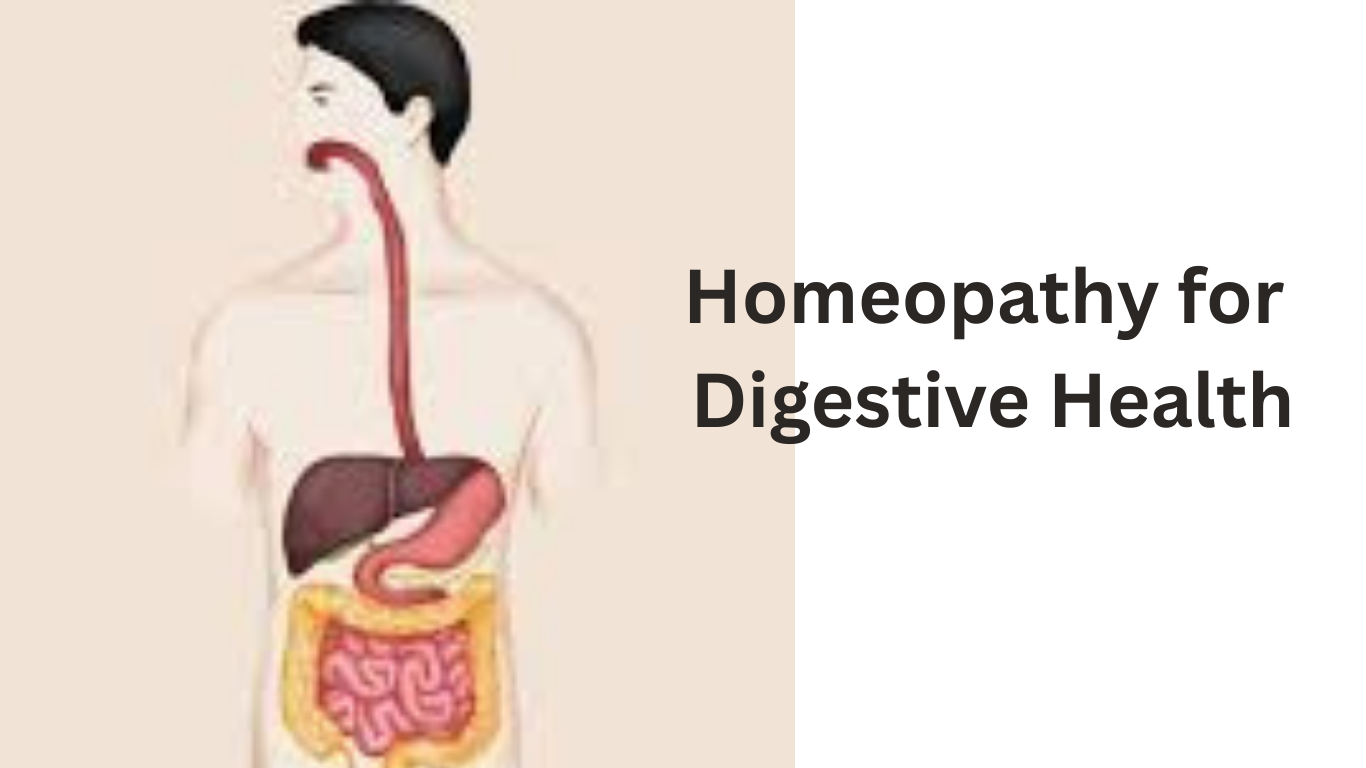
Understanding Acidity, Bloating, Constipation, and IBS — and How Individualized, Holistic Care Can Help
Acidity after meals. A bloated stomach by evening. Constipation that won’t budge, or diarrhea that strikes without warning. Millions of people live with these complaints every day, often after being told their reports are “normal.” That gap — between how a person feels and what a test shows — is exactly where functional digestive disorders live, and exactly why a gentle, individualized approach can make such a difference.
Understanding Digestive Disorders
The digestive system breaks down food, absorbs nutrients, and removes waste. When any part of this process is disturbed, symptoms such as acidity, bloating, irregular bowel movements, or abdominal pain can appear. Digestive disorders may be acute (short-term, such as food poisoning), chronic (long-standing), or functional — meaning the gut does not work smoothly even though structural tests look normal. Functional gut disorders, including irritable bowel syndrome (IBS), are increasingly common and are now understood through the lens of the gut-brain axis, the two-way communication network linking the digestive system, the nervous system, and the trillions of bacteria that live in the gut.
Common Digestive Disorders and Their Symptoms
Acidity and Acid Reflux
• Burning sensation in the chest or throat
• Sour or bitter taste in the mouth
• Heaviness after meals, often worse with spicy or fried food
Gas and Bloating
• Abdominal fullness and tightness
• Excessive burping or flatulence
• Worse after certain foods, such as beans, dairy, or fried items
Constipation
• Infrequent bowel movements
• Hard, dry, or pellet-like stool
• Straining, with a feeling of incomplete evacuation
Diarrhea
• Loose or watery stools with frequent urgency
• Abdominal cramping
• Weakness or dehydration if prolonged
Irritable Bowel Syndrome (IBS)
• Alternating constipation and diarrhea
• Abdominal pain that often eases after a bowel movement
• Bloating and gas, frequently worse with stress
Food Intolerance and Sensitivity
• Discomfort, bloating, or diarrhea after specific foods
• Fatigue, headache, or skin flare-ups in some individuals
Why Digestive Problems Become Chronic
Digestive symptoms often persist when several everyday factors combine and reinforce one another: ongoing stress and anxiety, irregular eating habits, poor sleep, excessive tea, coffee, or processed food, suppressed emotions, and repeated use of certain medications. Current research on the gut-brain-microbiota axis shows that chronic psychological stress can directly affect gut motility, gut sensitivity, and the balance of beneficial bacteria — helping explain why stress so often triggers or worsens digestive flare-ups, even when no structural disease is found.
Diagnosis: Making Sense of the Symptoms
A doctor typically begins with a detailed history and physical examination, followed by selected tests — such as blood work, stool studies, ultrasound, or endoscopy — to rule out conditions like ulcers, infections, or inflammatory bowel disease. When standard tests come back normal but symptoms remain real and disruptive, a functional gastrointestinal disorder such as IBS is often considered. This diagnosis is not “nothing is wrong” — it recognizes a genuine disturbance in how the gut and nervous system communicate.
Risk Factors
• Chronic stress, anxiety, or a history of emotional suppression
• Irregular meal timing or skipping meals
• High intake of processed food, caffeine, or alcohol
• Sedentary lifestyle and poor sleep habits
• A past episode of food poisoning or gastrointestinal infection
• Overuse of certain painkillers, antacids, or laxatives
Possible Complications if Left Unaddressed
Ignored or poorly managed digestive disturbances can lead to nutritional deficiencies, unintended weight changes, hemorrhoids from chronic straining, disturbed sleep, and a significant impact on mood and daily functioning. Long-term reliance on certain medications, such as habitual laxative use, can also weaken the gut’s natural rhythm over time. Early, thoughtful attention generally prevents these complications from taking hold.
Prevention: Protecting Your Gut Day to Day
Many digestive problems are preventable through simple, consistent habits: eating at regular times, choosing whole and fiber-rich foods, staying well hydrated, managing stress proactively, and avoiding the habitual overuse of antacids or laxatives. Prevention is rarely about one dramatic change — it is the accumulation of small, steady choices that keeps the gut resilient.
Treatment Options: A Balanced, Collaborative View
Modern medicine offers essential tools for digestive health, including diagnostic testing to rule out serious conditions, medications to manage acute symptoms, and structured dietary approaches such as the low-FODMAP diet for IBS. These remain important, particularly when symptoms are severe, persistent, or accompanied by warning signs.
Alongside this, classical homeopathy and structured lifestyle change offer a gentle, individualized layer of support, aiming to address the underlying pattern behind digestive disturbance rather than only the symptom of the moment. The two approaches can work side by side within safe, ethical boundaries, each contributing its own strength.
Classical Homeopathy: An Individualized Approach
Homeopathy approaches digestive disorders by looking at the person as a whole — not just the gut. Two people with similar bloating may need different remedies depending on what triggers their symptoms, how their mood and stress interact with digestion, and their overall constitution. A classical homeopath takes a detailed case history before selecting a remedy; self-medication for ongoing digestive complaints is not advised, and proper evaluation by a qualified practitioner is essential.
Commonly indicated remedies for digestive complaints, with their keynote symptoms, include:
Nux vomica — Acidity, gas, and constipation with irritability; worse from stress, late nights, coffee, or spicy food.
Lycopodium — Bloating and digestive weakness, worse in the evening; low appetite but quick fullness after small meals.
Carbo vegetabilis — Sluggish digestion with heavy bloating and belching; relief from fresh air.
Pulsatilla — Digestive upset from fatty or rich food, with changeable symptoms and emotional sensitivity.
Natrum muriaticum — Chronic digestive trouble linked to grief, suppressed emotion, or long-standing anxiety.
Arsenicum album — Diarrhea, acidity, or food-related upset with restlessness, anxiety, and a burning sensation.
Sulphur — Chronic digestive complaints with a burning sensation and irregular appetite.
Alumina — Severe constipation with little or no urge to pass stool, even when the stool is hard and dry.
Podophyllum — Painless, profuse diarrhea, especially in the early morning.
China officinalis — Weakness, bloating, and gas following diarrhea or significant fluid loss.
These remedies illustrate the principle of individualization rather than serving as a self-treatment list. A classical homeopath matches the full picture of physical, emotional, and mental symptoms to the most suitable remedy, which is why a proper consultation matters more than the label of the condition alone.
Lifestyle Modification: Supporting the Gut Every Day
• Diet: Favour a simple, balanced diet rich in natural fiber from vegetables and fruit; reduce processed, fried, and excessively sugary foods.
• Eating Habits: Eat at fixed times, avoid skipping meals, and eat slowly and mindfully rather than hurriedly.
• Hydration: Drink adequate water through the day and limit excessive cold or carbonated drinks.
• Sleep: Keep a consistent sleep and wake schedule, and avoid screens close to bedtime.
• Exercise: Daily walking, light stretching, or yoga supports healthy gut motility; avoid prolonged sitting.
• Stress Management: Relaxation practices, prayer, or quiet reflection can meaningfully ease stress-related digestive flare-ups.
• Habits: Avoid habitual use of laxatives or antacids, since long-term reliance can weaken the gut’s natural rhythm.
Mind | Body | Deen
Digestive health is rarely just physical. Anxiety can tighten the stomach before an exam; grief can sit heavily “in the gut” for weeks; chronic worry can disturb appetite and bowel habits alike. The body keeps an honest record of what the mind is carrying, and addressing one without the other often leaves healing incomplete.
Islamic teaching offers gentle guidance here. The Qur’an instructs believers to eat and drink without excess, reminding them that Allah does not love wastefulness (Surah Al-A’raf, 7:31) — a principle that resonates closely with modern advice on mindful, moderate eating. The Prophet Muhammad (peace be upon him) is reported to have advised dividing the stomach between food, drink, and breath, eating only enough to satisfy hunger without overfilling (Sunan Ibn Majah) — an early articulation of the moderation that many digestive conditions respond well to today.
The Prophet is also reported to have said that Allah has not sent down any illness without sending down its cure (Sahih al-Bukhari), encouraging believers to seek treatment with hope rather than despair. Patience (sabr) during a lingering digestive struggle, gratitude for gradual improvement, and trust in Allah’s wisdom (tawakkul) alongside sincere medical and homeopathic effort together form a complete, balanced response — caring for the body while nourishing the heart.
When to Seek Professional Help
• Digestive symptoms lasting more than a few weeks
• Recurrent or worsening constipation or diarrhea
• Unexplained weight loss
• Severe abdominal pain or blood in the stool
• Symptoms significantly affecting daily life or sleep
Early, proper evaluation by a qualified physician helps rule out serious conditions and prevents long-term complications.
Frequently Asked Questions
Why do my tests come back normal even though I feel unwell?
This is common in functional digestive disorders such as IBS, where the gut’s structure looks normal but its function — motility, sensitivity, and communication with the nervous system — is disturbed. Normal tests rule out serious disease; they do not mean the discomfort is imagined.
Can stress really cause physical digestive symptoms?
Yes. Research on the gut-brain axis confirms that psychological stress can directly influence gut motility, sensitivity, and bacterial balance, which is why stress management is a genuine part of digestive treatment, not an afterthought.
Is homeopathy a substitute for medical evaluation of digestive symptoms?
No. Classical homeopathy works best as an individualized, complementary approach alongside appropriate medical care, especially important for ruling out serious or alarming symptoms first.
Conclusion: Restoring Balance, Not Just Suppressing Symptoms
Digestive disorders are rarely just about the stomach or bowel — they often reflect a wider pattern of stress, habits, and emotional health. A balanced approach that combines appropriate medical evaluation, individualized homeopathic care, and steady lifestyle change offers a gentle, sustainable path toward lasting digestive comfort. Treatment is a means; healing follows balance.
Dr. Benojir
Classical Homeopath & Islamic Life Coach
Mind | Body | Deen
“We Treat; Allah Heals”