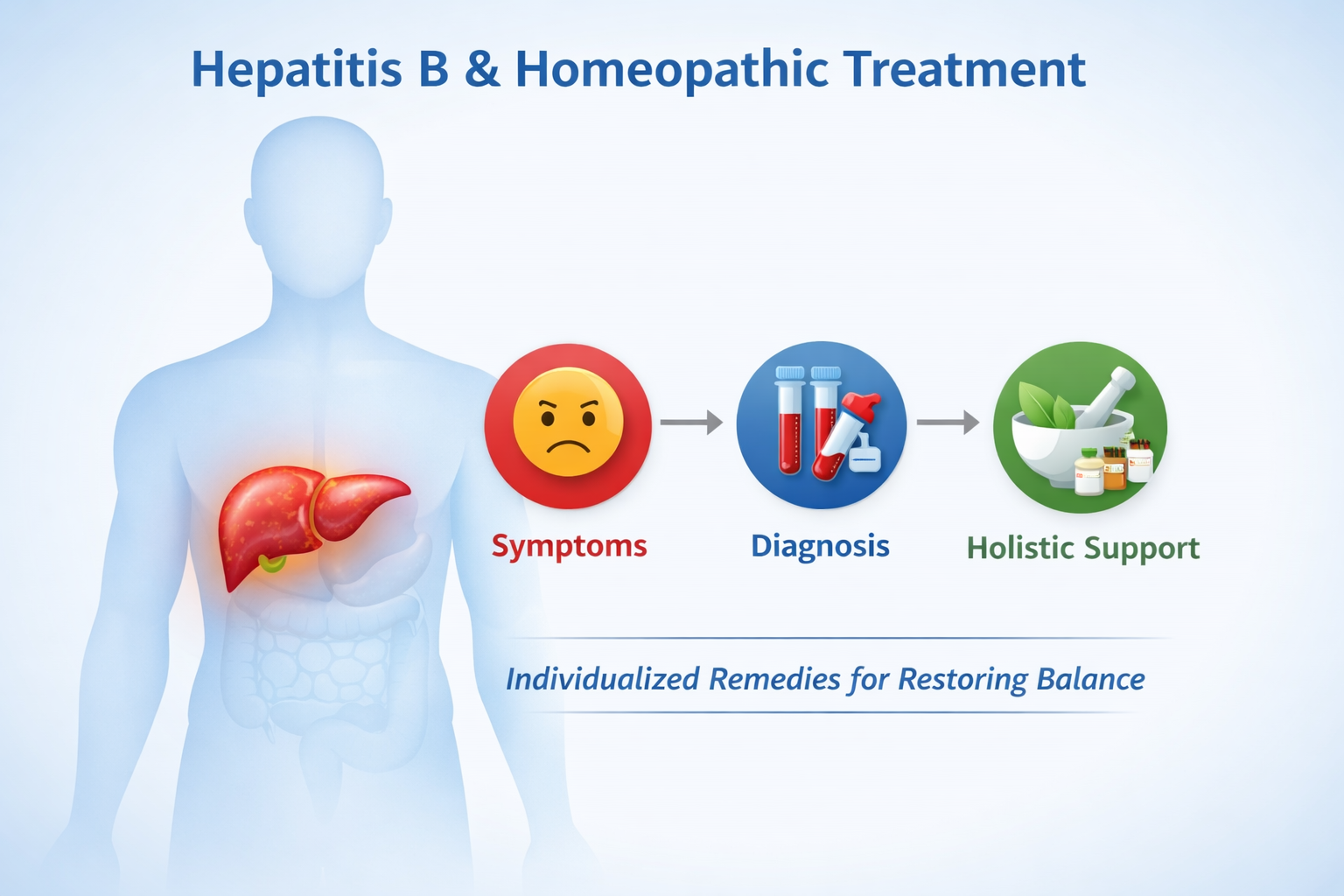
Understanding the Liver Infection, Modern Diagnosis, and How Classical Homeopathy and Lifestyle Care Can Support Recovery
Hepatitis B is one of the most common liver infections in the world, yet many people misunderstand it, fear it, or discover it only after years of silent progression. According to the World Health Organization, roughly 254 million people were living with chronic hepatitis B globally as of recent estimates, and viral hepatitis continues to be a leading cause of liver-related illness and death worldwide. Despite the availability of an effective vaccine since the 1990s and modern antiviral therapy, treatment coverage remains low, with less than 5 percent of people with chronic infection receiving treatment as of 2024 data, even though about half were eligible under current WHO guidelines.
This article explains hepatitis B in plain language: what it is, how it is diagnosed, what symptoms to watch for, and the range of care options available, including classical homeopathy and lifestyle support. The goal is education and reassurance, not fear. Hepatitis B is manageable, and people who understand their condition are far better equipped to protect their liver and their long-term health.
What Is Hepatitis B?
Hepatitis B is a viral infection caused by the hepatitis B virus (HBV), which primarily targets the liver. It spreads through contact with infected blood or body fluids — this includes transmission from mother to child at birth, unprotected sexual contact, sharing needles or unsterile medical equipment, and, less commonly, blood transfusions in settings without proper screening.
The infection can take two forms. Acute hepatitis B develops within weeks of exposure and, in most healthy adults, resolves on its own. Chronic hepatitis B, however, persists for six months or longer and can quietly damage the liver over years, sometimes leading to fibrosis, cirrhosis, or liver cancer. The risk of a newly infected person developing chronic disease is much higher in infants and young children than in adults, which is why birth-dose vaccination is such a global health priority.
Causes and How It Spreads
• Mother-to-child transmission during childbirth (the most common route worldwide)
• Unprotected sexual contact with an infected partner
• Sharing needles, syringes, or other injection equipment
• Contact with infected blood through unsterilized medical or dental instruments
• Rarely, transfusion of unscreened blood products
Hepatitis B is not spread through casual contact such as hugging, sharing food, or coughing, which is an important fact for reducing unnecessary stigma around the condition.
Recognizing the Symptoms
Acute Hepatitis B
Symptoms, when they appear, usually show up one to four months after exposure and may include:
• Persistent fatigue and general weakness
• Loss of appetite, nausea, or vomiting
• Pain or fullness in the upper right abdomen
• Mild fever and joint discomfort
• Dark urine and pale stools
• Yellowing of the skin or eyes (jaundice)
Chronic Hepatitis B
Chronic infection is often described as a silent disease, because many people feel completely normal for years. When symptoms do appear, they tend to be subtle:
• Ongoing tiredness not explained by daily activity
• Mild abdominal discomfort or bloating
• Reduced tolerance for fatty or heavy meals
• Low mood, irritability, or difficulty concentrating
• In advanced stages, signs of liver strain such as swelling or easy bruising
Because chronic hepatitis B can progress quietly, regular check-ups are far more reliable than waiting for symptoms to appear.
How Hepatitis B Is Diagnosed
Diagnosis relies on blood tests rather than symptoms alone. Common markers include:
• HBsAg (surface antigen) — indicates current, active infection
• Anti-HBs — indicates immunity from past infection or vaccination
• Anti-HBc (total and IgM) — helps distinguish acute, chronic, or past infection
• HBV DNA — measures how actively the virus is replicating
• Liver function tests (ALT, AST) — assess the degree of liver inflammation
• Ultrasound or elastography (FibroScan) — evaluates liver structure and scarring
The 2025 AASLD/IDSA treatment guideline and the WHO 2024 guidance both emphasize regular monitoring of these markers, since treatment decisions depend on trends over time rather than a single test result. Anyone diagnosed with hepatitis B should remain under the care of a physician for ongoing monitoring, even while exploring complementary approaches such as homeopathy.
Risk Factors and Possible Complications
People at higher risk include infants born to infected mothers, household or sexual contacts of someone with hepatitis B, healthcare workers, people who inject drugs, and individuals living in regions with higher infection rates. Left unmonitored, chronic hepatitis B can progress to cirrhosis (permanent scarring of the liver), liver failure, or hepatocellular carcinoma (liver cancer), which is why early detection and consistent follow-up are so important.
Prevention: The First Line of Defense
• Hepatitis B vaccination, ideally starting with a birth dose for newborns
• Screening pregnant women so transmission to the baby can be prevented
• Using sterile needles and properly screened blood products
• Practicing safe sex and being aware of a partner's hepatitis B status
• Avoiding the sharing of razors, toothbrushes, or other items that may carry blood
Vaccination remains one of the most effective tools in modern medicine, and the WHO continues to push for expanded birth-dose coverage, especially in regions where access still lags behind global targets.
Classical Homeopathic Approach to Hepatitis B
Classical homeopathy does not view hepatitis B simply as a virus to be eliminated, but as a disturbance of the body's overall vitality that expresses itself through liver-related symptoms, along with the patient's unique mental and emotional state. The classical method relies on individualization — choosing a single remedy that matches the totality of a person's symptoms, rather than prescribing the same medicine to every patient with the same diagnosis.
This means two people with hepatitis B may receive entirely different remedies, depending on their constitution, temperament, and the specific way their body expresses the illness. Below are some commonly indicated remedies, included here for educational purposes. The right remedy in any individual case can only be determined through a detailed homeopathic consultation.
1. Chelidonium Majus
• Liver enlargement with pain radiating to the right shoulder blade
• Marked jaundice with a yellow-coated tongue
• Bitter taste in the mouth and intolerance to fatty food
2. Bryonia Alba
• Sharp liver pain that worsens with the slightest movement
• Dry mouth with strong thirst for large amounts of water
• Irritability and a strong desire to be left alone while unwell
3. Phosphorus
• Marked weakness and exhaustion out of proportion to activity
• Burning sensations in the abdomen
• Craving for cold drinks; vomiting after warm food
• Emotional sensitivity, anxiety, and fearfulness
4. Lycopodium Clavatum
• Right-sided liver complaints with bloating after meals
• Symptoms that worsen between four and eight in the evening
• Strong craving for sweets alongside reduced appetite
• A confident outward manner masking inner self-doubt
5. Arsenicum Album
• Restlessness combined with anxiety about health
• Burning pains that feel better with warmth
• Fatigue that seems greater than the illness would suggest
• A meticulous, fearful, detail-oriented personality
6. China Officinalis (Cinchona)
• Deep weakness following illness, especially after fluid loss
• Abdominal bloating and excessive gas
• Pronounced fatigue resembling anemia
• Symptoms that tend to recur in a regular pattern
It is worth repeating that these remedies are illustrative examples of classical homeopathic thinking, not a self-prescribing guide. A qualified homeopath assesses the complete symptom picture — physical, mental, and emotional — before recommending an individualized remedy and potency.
Lifestyle Modification: Supporting the Liver Every Day
Whatever treatment path a person follows, daily habits play a major role in how the liver copes with hepatitis B. The following lifestyle measures are widely recommended and align naturally with the holistic philosophy of classical homeopathy.
• Diet: Favor fresh vegetables, fruits, and whole grains; minimize fried, fatty, and heavily processed foods
• Alcohol: Avoid completely, since alcohol adds direct strain to an already affected liver
• Sleep: Maintain a consistent sleep schedule, as quality rest supports the liver's natural repair processes
• Exercise: Engage in moderate activity such as walking, swimming, or yoga rather than intense exertion during flare-ups
• Stress management: Practice mindfulness, slow breathing, or quiet reflection to reduce the physical impact of chronic stress
• Medication caution: Avoid unnecessary over-the-counter drugs, herbal products, or supplements without medical guidance, since the liver processes nearly everything we consume
Small, consistent habits — rather than dramatic short-term changes — tend to offer the most lasting benefit to liver health over months and years.
Mind, Body, and Deen: A Holistic Reflection
Illness is rarely only physical. A diagnosis like hepatitis B can bring worry, uncertainty, and emotional fatigue alongside the physical symptoms. Looking at the condition through the lens of mind, body, and deen (faith) can offer comfort and grounding alongside medical and homeopathic care.
Mind
Living with a chronic condition often brings anxiety about the future, frustration with fatigue, or fear of complications. Acknowledging these feelings rather than suppressing them is part of healing. Patients are encouraged to share their concerns openly with their care providers and loved ones, since emotional support measurably improves coping and treatment adherence.
Body
The liver is often called the body's quiet workhorse, processing nutrients, filtering toxins, and storing energy. Treating it with patience — through proper diet, rest, and avoidance of harmful substances — is both a medical and physical act of self-respect.
Deen
In Islamic teaching, illness is never viewed as meaningless. The Quran reminds believers that ease often follows hardship: “For indeed, with hardship will be ease.” (Surah Al-Inshirah, 94:5). This verse offers comfort to anyone enduring a long illness, encouraging patience without despair.
The Prophet Muhammad (peace be upon him) is reported to have said that Allah does not send down an illness without sending down a cure for it, a hadith recorded in Sahih al-Bukhari, which underscores that seeking treatment is itself encouraged and consistent with faith, not opposed to it. Patients are also reminded of the practice of dua (supplication) and patience (sabr) as spiritual companions to medical and homeopathic treatment, not replacements for it.
Combining sincere effort in seeking treatment with reliance on Allah's mercy reflects a balanced approach: doing one's part through medicine, lifestyle, and homeopathy, while trusting that healing ultimately comes from a higher source.
Frequently Asked Questions
Can hepatitis B be completely cured?
Acute hepatitis B usually resolves on its own in healthy adults. Chronic hepatitis B is generally managed rather than cured outright with current antiviral medicine, though many patients achieve long-term viral suppression and normal liver function with proper care.
Is it safe to combine homeopathy with conventional treatment?
Many patients use classical homeopathy alongside conventional monitoring and, where prescribed, antiviral therapy. It is important to keep all healthcare providers informed so that care remains coordinated and safe.
Can a person with hepatitis B live a normal life?
Yes. With regular monitoring, sensible lifestyle habits, and appropriate care, most people with hepatitis B lead full, active lives.
Conclusion
Hepatitis B is a manageable condition when approached with knowledge, consistency, and the right combination of care. Modern diagnostic tools allow early detection and careful monitoring, while classical homeopathy offers an individualized, constitutional approach that looks at the whole person rather than the virus alone. Lifestyle discipline supports both approaches, and a grounded spiritual perspective can offer comfort throughout the journey. Anyone diagnosed with hepatitis B is encouraged to work closely with qualified medical and homeopathic practitioners to build a care plan suited to their unique needs.
Dr. Benojir
Classical Homeopath & Islamic Life Coach
Mind | Body | Deen
“We Treat; Allah Heals”