Cold Allergy Explained Simply
Understanding Cold Urticaria — Causes, Care, and a Holistic Path to Relief
For most people, a cold breeze, a chilly swim, or an ice-cold drink is simply uncomfortable. But for some, cold exposure triggers something more — red, itchy welts, swelling, or even a feeling of breathlessness within minutes. This condition is known as cold urticaria, commonly called cold allergy, and it is a genuine, well-documented immunological condition rather than ordinary sensitivity to winter weather.
Cold urticaria is classified as a form of physical urticaria, in which a specific physical trigger — in this case, cold — causes the skin to release histamine and other inflammatory chemicals (Mayo Clinic, 2025). While many cases are mild and manageable, research published in the Journal of Allergy and Clinical Immunology: In Practice notes that severe systemic anaphylactic reactions are possible, particularly during cold-water activities such as swimming (Diaz et al., 2023).
This article explains what cold allergy is, why it happens, how it is diagnosed, and the range of supportive options available — including the role of classical homeopathy, everyday lifestyle adjustments, and the emotional and spiritual dimensions of living with a chronic sensitivity.
What Is Cold Allergy (Cold Urticaria)?
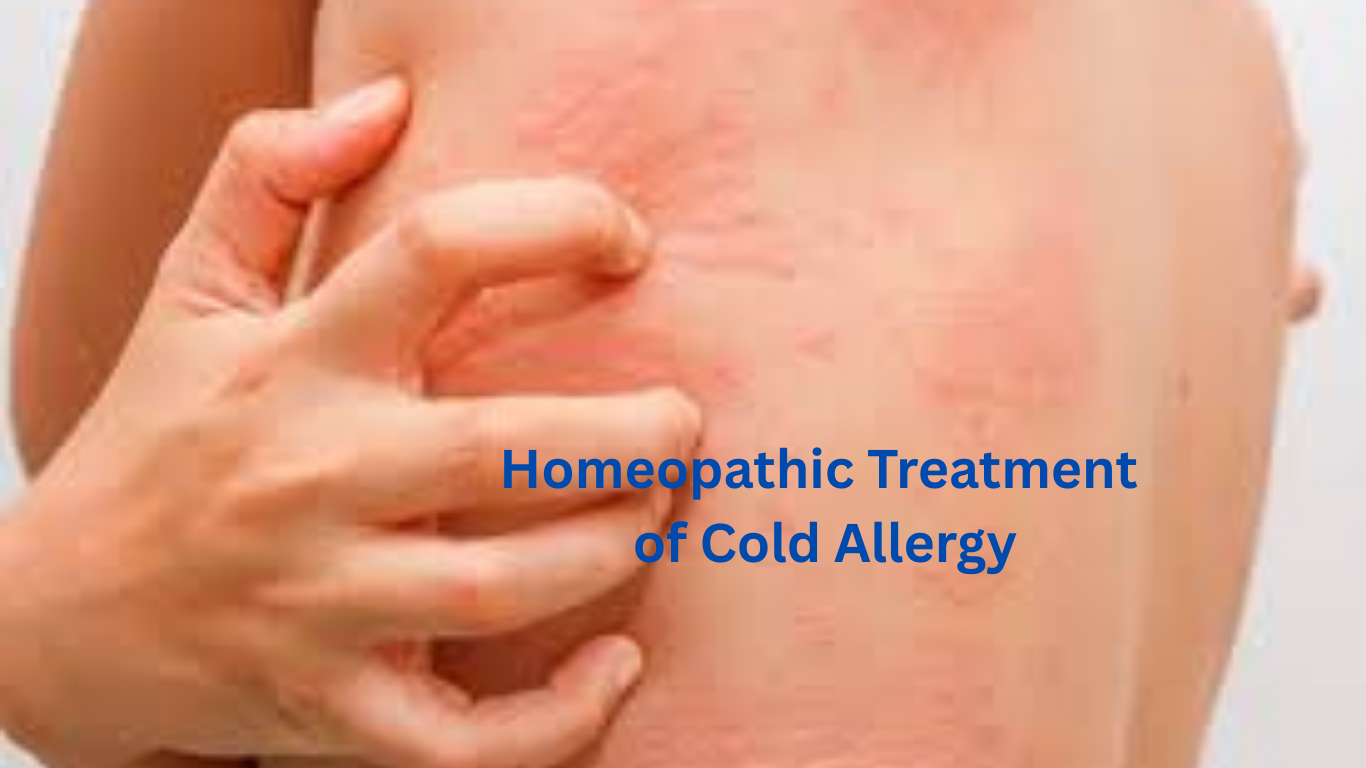
Cold urticaria is a chronic condition in which exposure to cold air, cold water, cold objects, or even cold food and drink causes the skin to develop wheals (raised, itchy welts) or deeper swelling known as angioedema (JACI: In Practice, 2023). Reactions typically begin during or shortly after cold exposure and often peak as the skin rewarms.
The condition can be acquired, appearing without a clear family history, or in rare cases hereditary, passed down genetically (Mayo Clinic, 2025). Most cases are classified as primary or idiopathic, meaning no underlying disease is found, though a minority of cases are linked to infections or other immune conditions and require further evaluation.
What Triggers Cold Allergy?
Common triggers reported by patients include:
• Cold weather, wind, or winter air exposure
• Swimming or bathing in cold water
• Cold showers or prolonged air-conditioning exposure
• Holding cold objects, such as a cold glass or ice pack
• Consuming cold drinks, ice cream, or chilled food
• Sudden drops in temperature, such as stepping from a warm room into the cold
Researchers note that damp and windy conditions can make reactions more likely, and that the most severe responses tend to occur when a large area of skin is exposed at once, such as during cold-water swimming (Mayo Clinic, 2025).
Symptoms of Cold Allergy
Symptoms generally appear within minutes of cold exposure and can range from mild and localized to severe and whole-body.
Common, Milder Symptoms
• Red, itchy welts (hives) on the exposed skin
• Swelling of the lips, hands, face, or ears
• A burning or stinging sensation on the skin
• Redness or flushing as the skin rewarms
Moderate to Severe Symptoms
• Generalized urticaria affecting large areas of the body
• Swelling of the throat or tongue
• Difficulty breathing
• A drop in blood pressure (rare, but serious)
• Dizziness or fainting after cold exposure
Severe, whole-body reactions — especially those triggered by swimming in cold water — can be medical emergencies and have been associated with fainting and drowning risk (Mayo Clinic, 2025). Anyone experiencing throat swelling, breathing difficulty, or fainting after cold exposure should seek emergency care immediately.
How Is Cold Allergy Diagnosed?
1. Clinical History
Diagnosis usually begins with a detailed conversation about your symptoms: how soon they appear after cold exposure, how long they last, their severity, and any pattern over time.
2. Cold Stimulation Test
The most common diagnostic tool is the cold stimulation test, often performed with an ice cube. An ice cube is placed on the forearm for several minutes; the appearance of a hive after it is removed and the skin rewarms supports a diagnosis of cold urticaria. Clinical research describes this as a standard first step in diagnostic algorithms for cold-induced urticaria (JACI: In Practice, 2023).
3. Further Testing, When Needed
In select or chronic cases, doctors may recommend blood tests — such as a complete blood count, inflammatory markers, or screening for underlying autoimmune or infectious triggers — to rule out secondary causes, particularly when reactions are severe or wheals last longer than 24 hours, which can be a warning sign of a different underlying condition (Mayo Clinic, 2025).
Risk Factors and Possible Complications
• A personal or family history of urticaria or allergic conditions
• Recent viral infections, which can sometimes precede onset
• Underlying autoimmune conditions in chronic or atypical cases
• Frequent exposure to cold water through swimming, diving, or outdoor work
• Living or travelling in cold, damp, or windy climates
A 2025 clinical study from North India found that cold urticaria also occurs in tropical climates, often triggered by air-conditioning, cold beverages, or seasonal temperature drops rather than snow or freezing weather (Indian Journal of Dermatology, Venereology and Leprology, 2025) — a useful reminder that this condition is not limited to cold countries.
The main complication to be aware of is a severe, generalized reaction, particularly during water-based activities, which is why people with known cold urticaria are generally advised against swimming alone in cold water.
Conventional Medical Management
Standard medical care for cold allergy focuses on reducing symptoms and preventing severe reactions. This typically includes:
• Antihistamines, often at higher doses than for typical allergies, to reduce histamine-driven symptoms
• Practical avoidance of known cold triggers
• Emergency medication, such as an epinephrine auto-injector, for individuals at risk of severe systemic reactions
These measures are well-established and effective for controlling symptoms in many patients. For some individuals, however, the underlying tendency toward cold sensitivity persists even with consistent antihistamine use, which is where complementary, individualized approaches such as classical homeopathy are increasingly being explored alongside conventional care.
Classical Homeopathy and Cold Allergy: An Individualized Approach
Classical homeopathy approaches cold urticaria by looking beyond the skin reaction alone. A homeopath considers the pattern of your symptoms, what specifically triggers them, your general thermal sensitivity (whether you tend to feel the cold or the heat more), and any emotional or constitutional patterns connected to your overall health. Two people with the same diagnosis of cold urticaria may, therefore, be prescribed two completely different remedies.
This individualized model has growing research support. A 2024 review in the AYUHOM journal analyzing prospective studies, case series, and case reports on chronic urticaria found that individualized and specific homeopathic remedy selection was consistently associated with improvement across the available evidence (Homeopathy in the Management of Chronic Urticaria, AYUHOM, 2024). A separate clinical observational study of patients with chronic urticaria who remained symptomatic despite antihistamine therapy found that individualised homeopathic treatment was associated with significant reductions in weekly hive and itch scores over a 12-week period (Urticaria and Homeopathy: The Unmet Clinical Needs, 2020). Broader reviews of individualized homeopathy across allergic conditions, including urticaria, allergic rhinitis, and atopic dermatitis, similarly report improvements in symptom severity and reduced reliance on conventional medication (Journal of Traditional Medicine & Clinical Naturopathy, 2025).
As with any homeopathic treatment, remedies should always be selected by a qualified classical homeopath after a full case history. Homeopathy is not a substitute for emergency treatment in severe allergic reactions, but it may offer meaningful support for long-term management and reduced recurrence under professional guidance. The remedies below are shared for general educational awareness only and are not intended for self-prescription.
Commonly Indicated Remedies and Their Keynote Symptoms
Dulcamara
• Symptoms that clearly worsen in cold, damp weather
• Hives appearing after exposure to cold air, rain, or sudden weather changes
• Accompanying stiffness and aching with cold exposure
Apis Mellifica
• Sudden swelling, redness, and a burning, stinging quality to the hives
• Reactions that feel worse with warmth and noticeably better with cold applications
• Puffy, oedematous swelling, especially around the eyes and lips
Urtica Urens
• Intense itching and burning hives
• A clear pattern of reactions following cold water or cold air exposure
• Frequently indicated in acute, recent-onset urticaria
Rhus Toxicodendron
• Symptoms worse in cold, damp conditions and better with continued movement
• Marked restlessness alongside itching
• Relief from warmth and gentle activity
Natrum Muriaticum
• A chronic, recurring tendency toward hives
• Clear sensitivity to cold air specifically
• Often seen alongside emotional reserve, suppressed grief, or quiet emotional stress
Arsenicum Album
• Anxiety or restlessness accompanying allergic flare-ups
• Burning sensations that feel better with warmth, despite the person often being generally chilly
• A tendency toward recurring allergic or hypersensitive reactions
Calcarea Carbonica
• Marked cold sensitivity paired with easy sweating
• A general tendency toward allergies and recurrent infections
• Symptoms that are clearly worse in cold weather
Sepia
• Allergic tendencies that seem linked to hormonal fluctuation
• Chilliness combined with fatigue
• Improvement with warmth and physical exercise
A common question patients ask is, “Can I take more than one of these remedies together?” In classical homeopathy, the aim is to find the single remedy that most closely matches your overall symptom picture — physical, thermal, and emotional — rather than combining several based on a checklist. This is why an individual consultation, rather than self-selection, leads to more accurate and lasting results.
Lifestyle and Preventive Measures
Alongside any treatment approach, day-to-day habits play an important role in reducing flare-ups and supporting overall resilience.
Diet and Hydration
• Avoid very cold drinks, ice cream, or chilled foods if they are a known personal trigger
• Favour warm soups, herbal teas, and room-temperature meals during colder months
• Stay well hydrated, as this supports overall skin and immune resilience
Protecting the Body from Cold
• Wear layered, well-insulated clothing, with particular attention to hands, ears, and neck
• Avoid sudden transitions from warm to cold environments where possible
• Avoid cold showers, and consider lukewarm water for bathing
• Use gloves when handling cold objects, including drinks straight from the refrigerator
Sleep and Stress Management
• Prioritise consistent, restful sleep, as fatigue can heighten overall reactivity
• Practise calming techniques such as slow breathing, which may help reduce stress-linked flare-ups
• Avoid unnecessary physical strain immediately after cold exposure, as vigorous activity can intensify skin irritation
Exercise and Activity
• Choose indoor or warm-weather exercise during high-risk seasons if cold air is a known trigger
• Avoid swimming alone in cold water under any circumstances
• Warm up gradually before outdoor activity in cool conditions
General Precautions
• Inform family members, caregivers, and close colleagues about your cold sensitivity
• Carry prescribed emergency medication if you have a history of severe reactions
• Keep a simple symptom diary to identify your personal triggers and threshold
Mind | Body | Deen: A Holistic Reflection
Living with a chronic sensitivity like cold allergy affects more than the skin. It can shape how a person plans their day, dresses, travels, or even enjoys simple pleasures like a cold drink on a hot day. Viewing the condition through Mind, Body, and Deen together offers a more complete picture of care.
Mind
It is common to feel frustrated or anxious before cold exposure, especially after a frightening reaction. Acknowledging this concern, rather than dismissing it, is the first step. Planning ahead — knowing your triggers, carrying necessary medication, and informing those around you — often brings a real sense of control and reduces anticipatory anxiety.
Body
The skin's reaction to cold is a visible reminder of how finely tuned the body's immune and nervous systems are. Rather than viewing flare-ups with frustration, gently protecting the body — through warmth, suitable clothing, and consistent care — reflects patience and respect for the body Allah has entrusted to each person.
Deen
Islamic tradition speaks directly to the value of protection from both heat and cold. Allah says in the Qur'an:
وَجَعَلَ لَكُمْ سَرَابِيلَ تَقِيكُمُ الْحَرَّ
“And He has made for you garments which protect you from the heat (and cold)… Thus does He perfect His favour upon you.” (Surah An-Nahl, 16:81)
Classical commentators, including Ibn Kathir and Imam Al-Qurtubi, explain that this verse encompasses protection from cold as well as heat, since a single garment serves both purposes — a meaning reinforced earlier in the same surah, where Allah describes the warmth provided through livestock and natural resources (Surah An-Nahl, 16:5). This reflects a broader Qur'anic theme: that the means of protecting the body from the elements, including the practical step of dressing warmly and avoiding harmful cold exposure, are themselves described as a divine favour to be recognised with gratitude.
This understanding offers comfort and clarity for someone managing cold allergy: protecting yourself sensibly from cold is not avoidance to be ashamed of, but a reasonable and even encouraged response to your body's needs. Combining this practical care with patience (sabr) during unavoidable flare-ups reflects a balanced, faith-rooted approach to managing a chronic sensitivity.
Common Questions Patients Ask
Is cold allergy the same as being “cold intolerant”?
No. General cold intolerance, often linked to thyroid or circulation issues, causes discomfort without hives or swelling. Cold urticaria specifically involves an allergic-type skin and immune reaction, confirmed through a cold stimulation test.
Will I have cold allergy for life?
Not necessarily. Many cases of acquired cold urticaria improve or resolve over a period of months to a few years, particularly with consistent management. Chronic or hereditary forms may persist longer and benefit from sustained, individualized care.
Can children develop cold allergy?
Yes, cold urticaria can appear at any age, including in children and young adults, and often follows a similar pattern of cold-triggered hives that warrants the same careful evaluation.
Is it safe to combine homeopathy with antihistamines?
Classical homeopathic remedies are generally well tolerated alongside conventional treatment. However, always inform every healthcare provider involved in your care — homeopathic or conventional — about all medications and remedies you are using, to ensure safe, coordinated management.
Final Words
Cold allergy is more than a minor inconvenience — it is a real, recognised immunological condition that deserves proper evaluation and thoughtful, ongoing management. Conventional medicine offers effective tools for symptom control and emergency safety, while individualized homeopathic treatment may offer additional, complementary support aimed at reducing overall sensitivity and recurrence.
With the right combination of medical guidance, sensible lifestyle precautions, and a patient, faith-rooted perspective, most people with cold allergy can manage their condition confidently and continue to enjoy life through every season.
Dr. Benojir
Classical Homeopath & Islamic Life Coach
Mind | Body | Deen
“We Treat; Allah Heals”
References
Mayo Clinic. (2025). Cold urticaria — Symptoms & causes; Diagnosis & treatment. mayoclinic.org
Diaz, V. L., et al. (2023). Cold Urticaria Syndromes: Diagnosis and Management. Journal of Allergy and Clinical Immunology: In Practice.
Mehta, H., Janaani, P., Vinay, K., Bishnoi, A., Parsad, D., & Kumaran, M. S. (2025). Cold urticaria in tropics: A clinico-epidemiological study from North India. Indian Journal of Dermatology, Venereology and Leprology, 91, 369–373.
Homeopathy in the Management of Chronic Urticaria — A Review Article. (2024). AYUHOM Journal.
Urticaria and Homeopathy: The Unmet Clinical Needs. (2020). Clinical observational study, Thieme Connect.
Individualized Homeopathy Efficacy Across Allergic Conditions. (2025). Journal of Traditional Medicine & Clinical Naturopathy.
EAACI 2025. Clinical Characteristics, Diagnosis, and Treatment Outcomes in Chronic Cold Urticaria: Insights From a 15-Year Study. EMJ Allergy & Immunology, 10(1), 67–69.
The Qur'an, Surah An-Nahl (16:81) and (16:5), with commentary from Tafsir Ibn Kathir and Tafsir Al-Qurtubi.
This article is for general educational purposes and does not replace individual consultation with a qualified healthcare provider or classical homeopath. Anyone experiencing severe allergic symptoms, including breathing difficulty or fainting after cold exposure, should seek emergency medical care immediately.