Understanding Hormone Imbalance Symptoms and How Classical Homeopathy and Lifestyle Care Can Restore Natural Harmony
Hormones are chemical messengers that quietly shape almost every function in your body — your energy, mood, weight, sleep, skin, and reproductive health. When they are balanced, you rarely think about them. When they are disturbed, the effects can touch nearly every part of daily life. Conditions linked to hormonal imbalance, such as thyroid disorders and polycystic ovary syndrome (PCOS), are now recognised as some of the most common health concerns seen in clinical practice. PCOS alone is estimated to affect 8 to 13% of women of reproductive age, and research shows the two conditions frequently overlap — thyroid dysfunction is found in a notable proportion of women with PCOS, often appearing as subtle, easily missed changes in thyroid function.
If you have been feeling persistently tired, noticing unexplained weight changes, struggling with irregular cycles, or simply feeling “off” without a clear medical explanation, this article is written for you. We will explore what hormones do, why imbalances happen, how they are diagnosed, and how an integrative approach — combining conventional medical care, classical homeopathy, and mindful lifestyle change — can support your body's natural return to balance.
What Are Hormones, and Why Do They Matter?
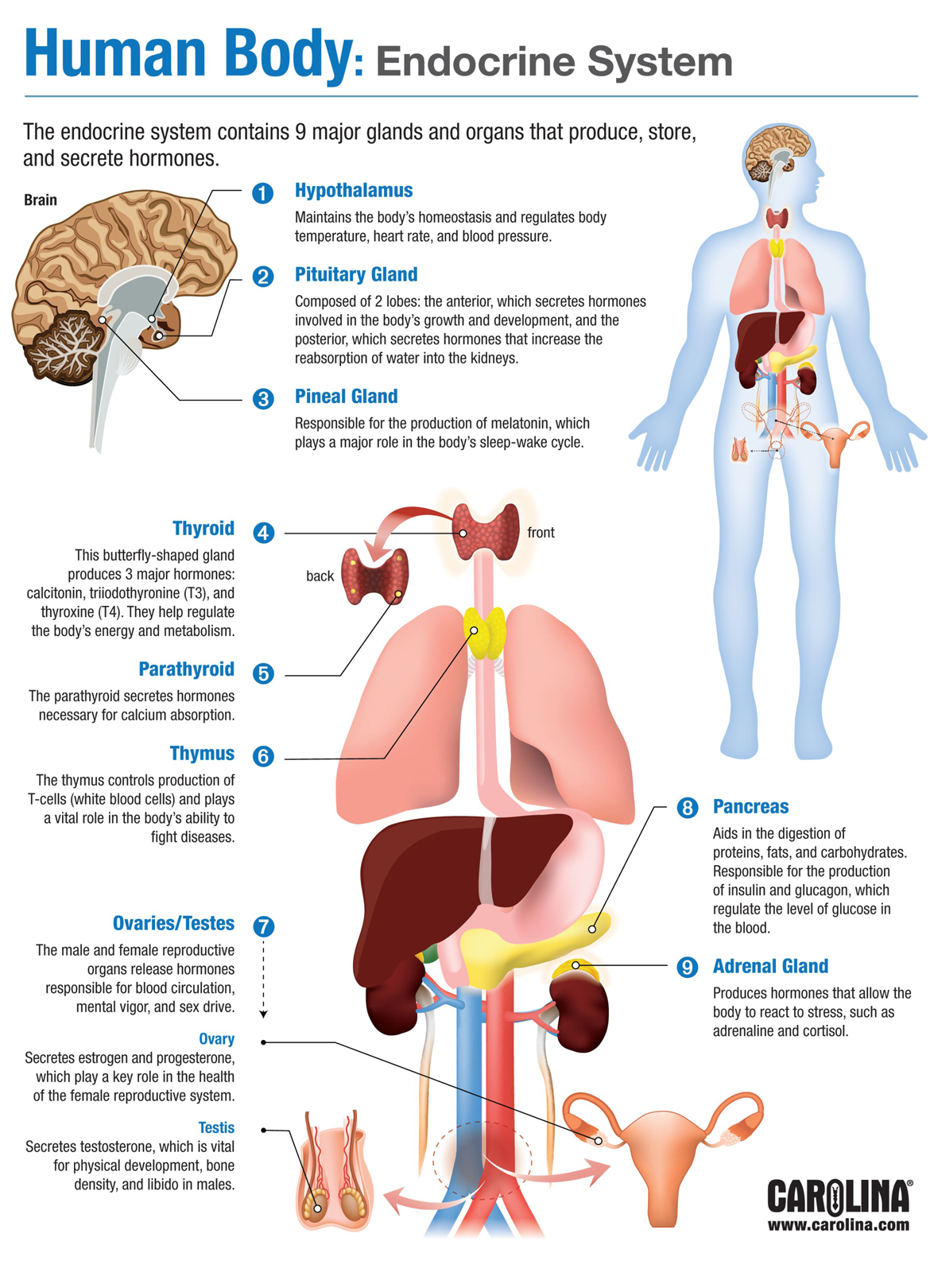
Hormones are chemical messengers produced by glands of the endocrine system — including the thyroid, pancreas, adrenal glands, ovaries, testes, and pituitary gland. These glands release hormones directly into the bloodstream, where they travel to specific target organs and regulate processes such as metabolism, growth, reproduction, mood, and the body's response to stress.
Unlike nerve signals, which act in milliseconds, hormones tend to act slowly and produce effects that build over hours, days, or even months. This is part of why hormonal imbalance can be so easy to overlook at first — the changes are gradual rather than sudden, yet a small, sustained imbalance can disturb the entire internal equilibrium of the body.
The Body's Major Hormones and What They Do
Thyroid Hormones (T3 and T4)
Produced by the thyroid gland, these hormones regulate metabolism, body temperature, and mental alertness. An underactive thyroid (hypothyroidism) typically causes weight gain, fatigue, low mood, cold intolerance, hair thinning, and dry skin. An overactive thyroid (hyperthyroidism) tends to cause weight loss, anxiety, a rapid heartbeat, excessive sweating, and disturbed sleep.
Insulin
Produced by the pancreas, insulin controls blood sugar and helps cells absorb glucose for energy. When insulin is insufficient or the body becomes resistant to it, blood sugar rises, leading to excessive thirst, frequent urination, fatigue, and slow wound healing — the hallmark pattern of diabetes. Too much insulin activity, by contrast, can cause low blood sugar, with dizziness, sweating, and confusion.
Cortisol — The Stress Hormone
Released by the adrenal glands, cortisol helps the body respond to stress and regulates blood pressure and blood sugar. Chronically elevated cortisol — often from ongoing psychological stress — is associated with anxiety, abdominal weight gain, disrupted sleep, and a weakened immune response. Persistently low cortisol can cause fatigue, low blood pressure, and poor resilience to stress.
Sex Hormones: Estrogen, Progesterone, and Testosterone
Estrogen regulates the menstrual cycle, supports bone density, and influences mood and skin health. Low estrogen is linked with irregular periods, hot flashes, vaginal dryness, and mood swings, while excess estrogen can cause heavy or painful periods, breast tenderness, and an increased risk of fibroids.
Progesterone works alongside estrogen, supports pregnancy, and has a calming effect on the nervous system. Low progesterone is commonly associated with PMS, anxiety, irregular cycles, and difficulty conceiving.
Testosterone, present in both men and women, supports muscle strength, libido, and motivation. Low testosterone often presents as low energy, reduced libido, and muscle weakness, while elevated testosterone in women — frequently seen in PCOS — can cause acne, excess facial hair, and irregular periods.
Growth Hormone and Melatonin
Growth hormone, released by the pituitary gland, supports tissue repair and muscle and bone strength; deficiency can cause poor growth in children and low energy in adults, while excess levels may cause abnormal growth and joint pain. Melatonin, produced by the pineal gland, regulates the sleep–wake cycle; low levels are linked with insomnia and poor sleep quality, while excess melatonin can cause unusual daytime sleepiness.
Why Do Hormonal Imbalances Happen?
Hormones rarely act in isolation — a disturbance in one often ripples outward to affect others. Several factors are commonly linked to hormonal imbalance:
• Chronic stress: sustained cortisol elevation can disrupt thyroid, reproductive, and blood sugar regulation.
• Poor sleep: disrupted sleep patterns interfere with melatonin, cortisol, and growth hormone rhythms.
• Unhealthy diet: high processed-food and sugar intake is linked with insulin resistance and metabolic strain.
• Sedentary lifestyle: low physical activity is associated with poorer insulin sensitivity and weight-related hormonal shifts.
• Emotional suppression: long-held emotional stress can influence the nervous system's regulation of hormone-producing glands.
• Environmental factors: certain chemicals and long-term medication use have been studied for their effects on endocrine function.
• Underlying conditions: disorders such as PCOS and autoimmune thyroiditis directly involve hormone-producing or hormone-regulating tissue.
Research illustrates how interconnected these systems are: studies on women with polycystic ovary syndrome (PCOS), a condition affecting an estimated 8 to 13% of women of reproductive age, consistently find a higher rate of coexisting thyroid dysfunction — particularly subclinical hypothyroidism — compared to women without PCOS. This overlap is a useful reminder that hormonal health is rarely about one gland working alone.
Common Signs of Hormonal Imbalance
Because hormones influence so many systems, symptoms can be wide-ranging and easy to dismiss individually. Patterns worth paying attention to include:
• Persistent fatigue that doesn't improve with rest
• Unexplained weight gain or weight loss
• Irregular, heavy, or absent menstrual cycles
• Mood changes, including anxiety, irritability, or low mood
• Sleep disturbances or insomnia
• Hair thinning, hair loss, or excess facial or body hair
• Skin changes, including acne or dryness
• Reduced libido
• Difficulty concentrating or “brain fog”
• Heat or cold intolerance
A single symptom rarely confirms a hormonal cause on its own. It is the combination and persistence of these signs, evaluated together, that usually points toward an endocrine explanation.
How Hormonal Imbalances Are Diagnosed
Diagnosis typically combines clinical assessment with targeted laboratory testing:
• Clinical history: a detailed review of symptoms, menstrual pattern, weight changes, sleep, and stress levels.
• Blood tests: measuring hormones such as TSH, free T4, insulin, fasting glucose, cortisol, estrogen, progesterone, and testosterone, depending on the symptoms present.
• Imaging: ultrasound may be used to assess the thyroid gland or ovaries when structural changes, such as nodules or cysts, are suspected.
• Physical examination: checking for visible signs such as goitre, skin changes, or abnormal hair growth patterns.
Hormone levels can fluctuate naturally with the time of day, menstrual cycle phase, and recent stress, so testing is usually interpreted in context rather than from a single isolated result.
Complications and Prevention
Long-standing, unaddressed hormonal imbalance can contribute to complications such as infertility, osteoporosis, cardiovascular strain, and metabolic conditions including type 2 diabetes. Conditions like PCOS, when left unmanaged over years, are associated with increased long-term risk of impaired glucose tolerance and cardiovascular concerns.
While not every hormonal imbalance can be prevented — some have a strong genetic or autoimmune basis — several measures can support healthier hormonal function over time:
• Routine check-ups, especially for those with a family history of thyroid or metabolic conditions
• Maintaining a consistent sleep schedule
• Managing chronic stress proactively rather than reactively
• Limiting excess sugar and ultra-processed food intake
• Staying physically active in a sustainable, enjoyable way
A Holistic View of Hormonal Health
Hormones reflect how we live, think, feel, and respond to the world around us. Suppressing a symptom — without addressing why the imbalance occurred — may offer short-term relief, but lasting hormonal balance usually requires a deeper, whole-person understanding. This is why the same lab abnormality can present so differently from one person to another: one woman's irregular cycle may be rooted primarily in chronic stress, while another's may be linked to insulin resistance or thyroid autoimmunity.
This whole-person lens does not replace laboratory testing or medical diagnosis — it complements it, asking not only “which hormone is out of range?” but also “what in this person's life, body, and emotional pattern may be driving that imbalance?”
Classical Homeopathy for Hormonal Balance
Classical homeopathy does not treat a hormone level or lab report in isolation. It considers the whole person — physical symptoms, emotional temperament, stress response, and personal history — and selects a remedy matched to that complete picture, not merely to a diagnosis.
This is why two people with an identical diagnosis, such as hypothyroidism, may require entirely different remedies. A person with thyroid imbalance and anxious restlessness needs a different approach from someone with thyroid imbalance and low, withdrawn mood. The goal of homeopathic treatment in hormonal care is to:
• Support the body's own self-regulating capacity, rather than simply replacing what is missing
• Address emotional and physical symptoms together, since the two are frequently linked
• Work gradually, respecting the body's natural rhythm rather than forcing rapid change
• Complement, rather than replace, essential conventional monitoring and treatment
Commonly Indicated Remedies (Educational Overview)
The remedies below are shared for general understanding only. Real prescriptions are never chosen from a diagnosis alone — they depend on the individual's complete symptom picture and should always be guided by a qualified classical homeopath.
Sepia
• Deep physical and mental exhaustion, often after childbirth or with menopause
• Emotional indifference or irritability, feeling overwhelmed by responsibilities
• Feels better with physical activity, worse with sympathy
• Pelvic heaviness, irregular periods, hormonal headaches and hot flushes
Often considered for female hormonal exhaustion involving estrogen and progesterone imbalance.
Pulsatilla
• Low or unstable estrogen, often around puberty or early menstrual irregularity
• Gentle, emotionally sensitive temperament that seeks reassurance
• Changeable symptoms — what is present today may shift tomorrow
• Worse in warm rooms, better in open air
Frequently discussed in adolescent or early-cycle hormonal imbalance tied to emotional sensitivity.
Thyroidinum
• Marked metabolic changes — sudden weight shifts in either direction
• Extreme fatigue alongside restlessness
• Heat or cold intolerance with palpitations and anxiety
Considered when thyroid imbalance is affecting overall energy and mental stability.
Calcarea Carbonica
• Sluggish metabolism with an underactive thyroid pattern
• Chilly, tired, and easily overwhelmed
• Easy weight gain and excessive sweating, especially on the head
• Anxiety about health and security
Often linked with slow physical and mental processes and poor stress tolerance.
Lachesis
• Hormonal excess states, especially during menopause or severe PMS
• Intense emotions, talkativeness, and a tendency toward jealousy
• Hot flushes and marked intolerance of tight clothing around the neck or waist
• Symptoms worse before menstruation, better once bleeding starts
Considered where congestion, heat, and emotional intensity dominate the picture.
Natrum Muriaticum
• Stress- and grief-related imbalance affecting thyroid, adrenal, or reproductive hormones
• Reserved temperament with a tendency to suppress emotion
• Menstrual irregularity, fatigue, headaches, and dryness of skin or mucous membranes
• Feels worse, not better, from consolation
Relevant where long-standing grief or emotional isolation appears to precede physical symptoms.
Lycopodium
• Metabolic and endocrine imbalance, including insulin resistance and PCOS patterns
• Digestive bloating and gas
• Outward confidence masking inner self-doubt, with a craving for sweets
• Symptoms typically worse in late afternoon or evening
Often discussed where blood sugar regulation or ovarian function is involved.
Ignatia
• Hormonal disturbance triggered by emotional shock, grief, or sudden stress
• Mood swings, sighing, and a sensation of throat tightness
• Contradictory or unpredictable symptoms
Considered when PMS, irregular cycles, or thyroid disturbance begin shortly after emotional trauma.
Conium
• Gradual decline of sex hormones, as seen in menopause or andropause
• Reduced libido with emotional withdrawal
• Glandular swelling, such as breast or prostate changes
• Feels worse at rest, better with gentle movement
Suited to a slow, degenerative pattern of hormonal decline rather than sudden onset.
Medorrhinum
• Deep endocrine dysregulation, as seen in PCOS or chronic hormonal instability
• Extremes of energy — exhaustion followed by sudden bursts
• Intense cravings, restlessness, and pronounced mood swings
• Often improves at the seaside, worse in early morning hours
Considered in multi-system hormonal imbalance affecting reproductive, adrenal, and metabolic function.
Important: Homeopathic remedies should never be self-prescribed for hormonal or endocrine conditions. Treatment should always be guided by a qualified classical homeopath, working alongside your treating physician and any required laboratory monitoring.
Lifestyle Modification: Supporting Hormonal Health Daily
Homeopathic treatment tends to work best when paired with consistent, realistic lifestyle habits that reduce the daily strain on the endocrine system.
Stress Management
Chronic stress keeps cortisol elevated, which can disrupt thyroid, reproductive, and blood sugar regulation. Meditation, breathing exercises, time spent in nature, and clear emotional boundaries all help calm this stress response.
Sleep Hygiene
Hormones such as melatonin, cortisol, and growth hormone follow a daily rhythm that depends on consistent sleep. Aim for fixed sleep and wake times, reduce screen exposure at night, and build a calm evening routine.
Balanced Nutrition
Favour whole, minimally processed foods with adequate protein and healthy fats, while limiting added sugar and heavily processed items. Stable blood sugar supports more stable insulin and, in turn, more stable hormonal balance overall.
Regular Physical Activity
Walking, yoga, and gentle stretching support insulin sensitivity and stress regulation without overburdening the body. Avoid over-exertion, which can itself raise cortisol and worsen hormonal strain in some individuals.
Emotional Awareness
Journaling, openly expressing emotion, and seeking support when needed all help prevent the kind of long-held emotional suppression that is frequently associated with hormonal disturbance.
Mind | Body | Deen: The Spiritual Dimension of Hormonal Health
Hormonal imbalance is rarely only physical. It often arrives alongside emotional strain — anxiety about an irregular cycle, grief connected to fertility struggles, or the quiet exhaustion of unrelenting stress. Within an Islamic framework, the body, mind, and soul are understood as deeply interconnected, and caring for one supports the others.
The Qur'an reminds believers that ease is never far from hardship, a verse many find genuinely comforting during long, uncertain health journeys:
“For indeed, with hardship will be ease. Indeed, with hardship will be ease.”
— Surah Ash-Sharh, 94:5–6
The Prophet Muhammad (peace be upon him) encouraged believers to actively seek treatment, rather than view illness passively:
“Make use of medical treatment, for Allah has not made a disease without appointing a remedy for it, with the exception of one disease, namely old age.”
— Sunan Abi Dawud
He also emphasised gentleness and balance in caring for oneself, reflecting the same principle that underlies sustainable hormonal healing — consistency over extremes:
“The most beloved deeds to Allah are those done consistently, even if they are small.”
— Sahih al-Bukhari
This teaching mirrors what hormonal healing actually requires: not a single dramatic intervention, but small, steady, sustainable practices — consistent sleep, regular prayer and reflection, mindful eating, and patient trust (tawakkul) — maintained over time. Mind, body, and Deen work together, not as separate compartments, but as one interconnected path back to balance.
Common Questions Patients Ask
Can hormonal imbalance be fully corrected?
Many hormonal imbalances can be significantly improved or well-managed with the right combination of medical treatment, individualized homeopathic care, and lifestyle change. Some conditions, particularly autoimmune or genetic ones, are managed long-term rather than entirely reversed.
Is homeopathy a substitute for thyroid medication or insulin?
No. Homeopathy is intended to work alongside conventional medical treatment, not replace it. Always continue prescribed medication and laboratory monitoring unless your treating physician advises otherwise.
How long does it take to notice improvement with lifestyle changes?
This varies by individual and by which hormone is involved. Some people notice improved energy and sleep within a few weeks, while reproductive or metabolic hormone patterns often take several months of consistent change to shift meaningfully.
Can stress alone cause a hormonal imbalance?
Chronic stress is one of the most well-documented contributors to hormonal disruption, particularly involving cortisol, thyroid function, and reproductive hormones. It is rarely the only factor, but it is almost always worth addressing.
Conclusion: Toward Lasting Hormonal Harmony
Hormones guide nearly every function of the human body, and when they are balanced, health tends to feel effortless. Conventional medicine remains essential for diagnosis, laboratory monitoring, and managing significant hormonal conditions. Alongside this, individualized classical homeopathy and consistent lifestyle care can offer meaningful, complementary support — helping the body regulate itself, the mind find steadiness, and the spirit find peace.
Healing is not about control — it is about balance. With patience, awareness, and compassionate, whole-person care, lasting hormonal harmony becomes a realistic and achievable goal.
Dr. Benojir
Classical Homeopath & Islamic Life Coach
Mind | Body | Deen
“We Treat; Allah Heals”