A Holistic Guide to High Blood Pressure — Causes, Prevention, and Individualized Care Through Modern Medicine, Lifestyle, and Classical Homeopathy
By Dr. Benojir | Classical Homeopath & Islamic Life Coach | drbenojir.com
Imagine a condition that damages your heart, kidneys, and brain for years — without ever announcing itself with pain, fatigue, or any obvious warning sign. That is hypertension, more commonly known as high blood pressure. Globally, it affects more than 1.28 billion adults, according to the World Health Organization (WHO, 2023), and yet nearly half of them have no idea they have it.
The name 'silent killer' is not metaphor — it is clinical reality. Hypertension silently strains your arteries, overworks your heart, and sets the stage for strokes, heart attacks, and kidney failure, all without a single symptom until serious damage has already been done. The encouraging truth is that hypertension is both detectable and manageable. With the right knowledge, consistent lifestyle habits, regular monitoring, and individualized care, you can take meaningful control of your cardiovascular health.
This article offers a comprehensive, evidence-informed, and holistic perspective on hypertension — covering its causes, symptoms, risk factors, prevention strategies, and how approaches including lifestyle medicine and Classical Homeopathy may support your overall well-being.
What Is Blood Pressure — and When Does It Become a Problem?
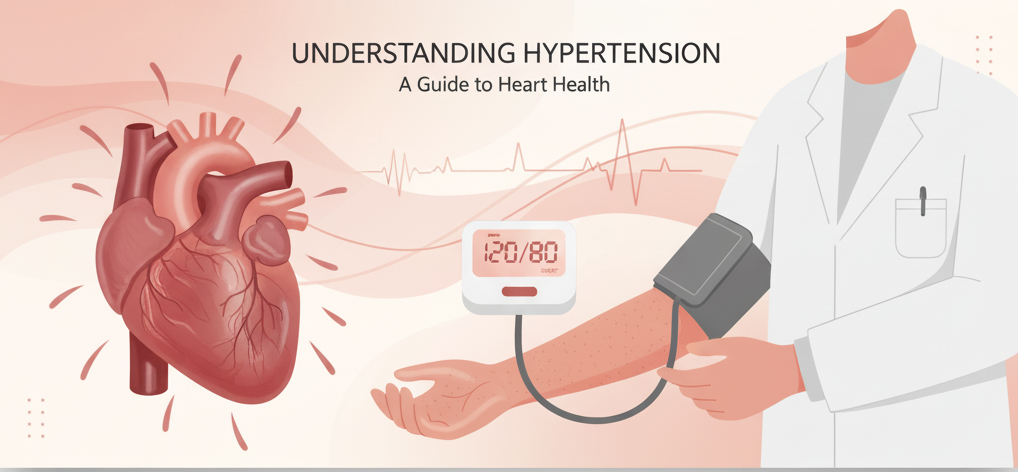
Blood pressure is the force your blood exerts against artery walls as your heart pumps. It is measured in two numbers: the systolic pressure (the top number, representing the force when the heart contracts) and the diastolic pressure (the bottom number, representing the pressure when the heart rests between beats). A reading of 120/80 mmHg is considered optimal.
According to international cardiovascular guidelines, blood pressure categories are broadly understood as follows: readings consistently above 130/80 mmHg are considered elevated or high, and readings persistently at or above 140/90 mmHg typically indicate hypertension requiring active management. However, diagnosis is never made on a single reading — it is confirmed across multiple measurements over time.
Hypertension places persistent, excessive pressure on arterial walls. Over months and years, this damages the delicate lining of blood vessels, accelerates the hardening of arteries (atherosclerosis), and forces the heart to work harder than it should — eventually contributing to serious and sometimes life-threatening complications.
Why Hypertension Is Called the Silent Killer
Most people with high blood pressure feel perfectly well. They wake up, go to work, exercise, and carry on with daily life — entirely unaware that damage is accumulating within their cardiovascular system. There are no obvious red flags in the early stages.
Because of this deceptive silence, the WHO estimates that two-thirds of people with hypertension worldwide remain either undiagnosed or inadequately treated. When symptoms do eventually appear, they often signal a complication that has already taken hold — a stroke, a heart attack, or a kidney crisis.
This is why regular blood pressure monitoring is not merely advisable — it is essential, particularly for adults over 40, individuals with a family history of cardiovascular disease, and anyone with known risk factors such as obesity, diabetes, or chronic stress.
Symptoms: What You May (or May Not) Notice
The majority of hypertensive patients report no symptoms at all. When symptoms do occur, they are non-specific and easily attributed to other causes. Common reports among some patients include:
• Persistent or recurring headaches, particularly at the back of the head
• Dizziness or lightheadedness
• Heart palpitations or a pounding sensation in the chest
• Shortness of breath during mild exertion
• Blurred or changed vision
• Nosebleeds (less common, often only in severe cases)
• Fatigue, mental fogginess, or difficulty concentrating
• Ringing in the ears (tinnitus)
• Disturbed or restless sleep
None of these symptoms, on their own, confirm hypertension. They can arise from anxiety, anemia, thyroid disorders, and dozens of other conditions. The only reliable way to know your blood pressure is to measure it. If you have not had your blood pressure checked recently, do so now.
Types of Hypertension
Primary (Essential) Hypertension
This accounts for approximately 90 to 95 per cent of all hypertension cases. It has no single identifiable cause but develops gradually through the combined influence of age, genetics, lifestyle, diet, chronic stress, and environmental factors. Primary hypertension is the form most commonly managed through lifestyle changes and long-term medical or holistic care.
Secondary Hypertension
Secondary hypertension arises from a specific, identifiable underlying condition — most commonly chronic kidney disease, hormonal disorders such as primary aldosteronism or thyroid disease, obstructive sleep apnea, or the use of certain medications including non-steroidal anti-inflammatory drugs (NSAIDs), oral contraceptives, and decongestants. Identifying and treating the root cause often leads to significant improvement or resolution of blood pressure.
Risk Factors: Who Is Most Vulnerable?
Research consistently identifies the following as the most significant risk factors for developing hypertension:
• Age — risk increases substantially after 40 and continues to rise with each decade
• Family history — genetics play a meaningful role in cardiovascular susceptibility
• Excess body weight — particularly abdominal obesity, which places additional strain on the heart
• Physical inactivity — sedentary behavior is one of the most modifiable cardiovascular risks
• High sodium (salt) intake — excess sodium causes fluid retention and raises blood pressure
• Chronic psychological stress — sustained activation of the stress response elevates cortisol and adrenaline, both of which raise blood pressure over time
• Tobacco use — smoking damages arterial walls and dramatically increases cardiovascular risk
• Excessive alcohol consumption — heavy drinking directly raises blood pressure
• Poor sleep quality or sleep disorders — particularly obstructive sleep apnea
• Diabetes and metabolic syndrome — these conditions frequently co-exist with and worsen hypertension
Understanding your personal risk profile is the first step toward prevention. Many of these factors are within your control.
Complications: What Is at Stake?
Uncontrolled hypertension is among the leading preventable causes of death worldwide (GBD 2021). The complications are serious and wide-ranging:
• Heart disease — including heart failure, coronary artery disease, and enlarged heart (left ventricular hypertrophy)
• Stroke — hypertension is the single most important modifiable risk factor for both ischemic and hemorrhagic stroke
• Chronic kidney disease — persistent high pressure damages the delicate filtering vessels of the kidneys
• Vision loss — hypertensive retinopathy can cause progressive deterioration of sight
• Cognitive decline and dementia — there is growing evidence linking uncontrolled midlife hypertension to late-life dementia
• Peripheral artery disease — reduced blood flow to the limbs
The good news: these outcomes are largely preventable with timely intervention and consistent management.
Lifestyle Modification: Your Most Powerful Tool
Multiple landmark trials — including the DASH (Dietary Approaches to Stop Hypertension) study and the SPRINT trial — confirm that lifestyle modification can lower blood pressure by as much as 10 to 15 mmHg, rivalling the effect of a single antihypertensive medication. The following evidence-based strategies make the greatest difference:
1. Reduce Dietary Sodium
The current consensus from the American Heart Association and WHO recommends limiting sodium intake to under 2,000 mg per day. Most excess sodium in modern diets comes not from table salt but from processed, packaged, and restaurant foods. Reading food labels, cooking at home, and using herbs and spices in place of salt are practical starting points.
2. Follow a Heart-Healthy Diet
The DASH diet — rich in fruits, vegetables, whole grains, legumes, low-fat dairy, and lean protein, and low in saturated fat, red meat, and sugar — has been demonstrated in multiple studies to reduce systolic blood pressure by 8 to 14 mmHg. A Mediterranean-style diet offers similar cardiovascular benefits. Increasing dietary potassium (through bananas, spinach, sweet potatoes, and lentils) counteracts the blood pressure-raising effects of sodium.
3. Exercise Regularly
The WHO recommends at least 150 minutes of moderate-intensity aerobic activity per week — such as brisk walking, swimming, or cycling. Regular exercise strengthens the heart, reduces arterial stiffness, and improves overall vascular function. Even a consistent 30-minute walk most days of the week can lower systolic blood pressure by 4 to 9 mmHg over time (Cornelissen & Smart, 2013).
4. Achieve and Maintain a Healthy Weight
For every kilogram of weight lost, blood pressure typically falls by approximately 1 mmHg. Even a modest reduction of 5 to 10 per cent of body weight can produce clinically meaningful improvements in blood pressure and metabolic health.
5. Prioritise Sleep
Chronic sleep deprivation activates the sympathetic nervous system and raises cortisol, both of which elevate blood pressure. Adults should aim for seven to nine hours of quality sleep per night. If you snore heavily or feel unrefreshed after sleep, consider being evaluated for obstructive sleep apnea — a frequently overlooked driver of hypertension.
6. Manage Stress Actively
Psychological stress is not a minor contributor to hypertension — it is a major one. Chronic stress sustains high levels of adrenaline and cortisol, constricting blood vessels and raising pressure over time. Evidence-based strategies include mindfulness meditation, deep breathing exercises, regular physical activity, prayer and spiritual practice, and the cultivation of healthy social relationships.
7. Limit Alcohol and Avoid Tobacco
If you drink alcohol, limit consumption to no more than one standard drink per day for women and two for men. Every cigarette smoked causes a transient spike in blood pressure and long-term arterial damage. Quitting smoking is one of the single most impactful steps you can take for cardiovascular health.
Classical Homeopathy and Hypertension: An Individualized Approach
Classical Homeopathy does not treat blood pressure numbers in isolation. It treats the person as a whole — considering their physical symptoms, emotional state, stress patterns, sleep habits, personal temperament, and life circumstances. Two people may share a diagnosis of hypertension but present with entirely different constitutions, triggers, and needs. Classical Homeopathy seeks to address this individuality.
A thorough homeopathic consultation may explore not only physical readings but also the pattern of the person's anxiety, their response to stress, their relationship with sleep, their tendencies around grief, perfectionism, or suppressed emotion, and the broader context of their health history. This holistic mapping guides remedy selection.
It is important to emphasize: patients taking prescribed antihypertensive medication should never discontinue it without consulting their physician. Homeopathy may be explored as a complementary component of a broader healthcare plan under qualified professional guidance.
The following remedies are among those traditionally considered in homeopathic literature for patients presenting with hypertensive patterns. Remedy selection is always individualized and never based on diagnosis alone.
1. Glonoine (Glyceryl Trinitrate)
Indicated for sudden, intense throbbing headaches, a sense of fullness and pulsation in the head, flushed face, and aggravation from heat or sun exposure. Often considered in acute blood pressure surges with an overwhelming sensation of pressure in the head.
2. Natrum Muriaticum
Often indicated in individuals who internalize grief and disappointment, who present as emotionally reserved or self-contained. Hypertension associated with unexpressed sorrow, sun-aggravated headaches, a craving for salt, and a tendency to dwell on past hurts.
3. Lachesis
Often suited to individuals with intense, loquacious personalities who experience hot flushes, sensitivity around the throat and neck, and symptoms that are worse after sleep or on waking. Hypertension associated with suppressed emotions, menopausal changes, or circulatory congestion.
4. Nux Vomica
Frequently considered for the high-achieving, overworked individual — driven, irritable, sedentary, prone to stimulant use (coffee, alcohol, rich food), and suffering from chronic mental tension. Hypertension arising in the context of urban stress, overwork, and digestive complaints.
5. Aurum Metallicum
Indicated in individuals carrying a heavy sense of responsibility and duty, prone to perfectionism and self-criticism. Hypertension associated with deep chronic stress, emotional burden, a tendency toward depression, and a high sense of personal obligation.
6. Rauwolfia Serpentina
Derived from the Indian herb Sarpagandha, which has a centuries-old history in Ayurvedic medicine for elevated blood pressure. Often considered in cases presenting with restlessness, nervous tension, and disturbed sleep in the context of elevated readings.
7. Belladonna
Indicated for sudden, violent headaches with a red, flushed face, dilated pupils, pulsating pain, and great sensitivity to light and noise. Often considered in acute, storm-like hypertensive episodes.
8. Baryta Muriatica
Often indicated in elderly patients with arterial stiffness, arteriosclerosis, and elevated systolic pressure. May be considered alongside complaints of memory loss, cognitive decline, and reduced mental sharpness in older adults.
9. Calcarea Carbonica
Suited to the phlegmatic, anxious, and overweight individual who feels the cold easily and tends to perspire excessively. Hypertension arising in the context of obesity, anxiety, sluggishness, and a tendency to overexert.
10. Phosphorus
Often considered for anxious, sensitive, open-hearted individuals who are easily affected by their environment and others' emotions. Hypertension presenting alongside nervous sensitivity, vascular affinity, and a tendency to emotional exhaustion.
All remedy selection in Classical Homeopathy is made during an individualized consultation. The above descriptions are offered as educational reference only and do not constitute prescriptions.
Mind | Body | Deen: A Triad for Whole-Person Health
One of the defining insights of both integrative medicine and Islamic tradition is that the human being cannot be reduced to a set of biological measurements. True health encompasses the mind, the body, and the soul.
Mind
Chronic psychological stress, unresolved anxiety, and emotional suppression are not merely mental phenomena — they are physiological ones. They elevate cortisol, constrict arteries, and drive blood pressure upward. Addressing the mind means more than managing stress; it means developing emotional resilience, cultivating healthy thinking patterns, and releasing what the heart does not need to carry.
Body
The body requires consistent nourishment, movement, rest, and appropriate medical care. Lifestyle medicine — the evidence-based use of diet, exercise, sleep, and stress management as therapeutic tools — is among the most powerful interventions available for cardiovascular health. Monitoring blood pressure regularly and maintaining open communication with your healthcare provider are equally essential.
Deen
Islamic tradition offers a profound framework for cardiovascular and overall health. The Quran reminds us:
"Verily, in the remembrance of Allah do hearts find rest." (Surah Ar-Ra'd, 13:28)
This is not merely spiritual counsel — it is a description of the physiological effect of peace upon the human heart. The practice of Dhikr (remembrance of God), Salah (prayer), gratitude, and Tawakkul (trust in Allah) have been shown in emerging research to reduce psychological stress, lower cortisol levels, and support emotional regulation.
The Prophet Muhammad ﷺ also encouraged moderation in all things, including food and exertion:
"The son of Adam does not fill any vessel worse than his stomach." (Ibn Majah, Hasan)
This prophetic wisdom, offered fourteen centuries ago, aligns strikingly with modern guidance on caloric moderation, mindful eating, and metabolic health. Sabr (patience), Shukr (gratitude), and Tawakkul (reliance on God) are not abstract virtues — they are practical antidotes to the chronic stress that drives hypertension. A life grounded in Deen is a life designed for balance.
When to Seek Immediate Medical Attention
High blood pressure is ordinarily a condition managed over time, not an emergency. However, there are situations that require prompt or urgent medical care. Seek immediate help if you experience:
• Severe chest pain or tightness
• Sudden weakness, numbness, or paralysis, especially on one side of the body
• Sudden difficulty speaking or understanding speech
• Sudden severe headache with no known cause
• Sudden vision changes or loss of vision
• Severe shortness of breath at rest
These may indicate a hypertensive emergency, stroke, or heart attack — all of which require urgent medical evaluation. Do not wait. Call emergency services immediately.
Diagnosis and Monitoring: Know Your Numbers
Blood pressure can be measured quickly, painlessly, and inexpensively at a clinic, pharmacy, or at home with a validated digital monitor. A single elevated reading does not confirm hypertension — consistent elevated readings over multiple occasions are required for diagnosis. Your doctor may also recommend ambulatory blood pressure monitoring, which tracks readings over a 24-hour period and provides a more complete picture of your cardiovascular patterns.
Adults over the age of 40, or anyone with known risk factors, should have their blood pressure checked at least annually. Those with a confirmed diagnosis or borderline readings should monitor more frequently — ideally at the same time each day, in a calm and rested state.
A Patient's Common Questions
Can hypertension be cured?
Primary hypertension is typically a lifelong condition that requires ongoing management rather than a one-time cure. However, with sustained lifestyle changes, many individuals achieve excellent blood pressure control — and some are able to reduce or discontinue medication under medical supervision. Consistent effort makes a profound difference.
Is it safe to use Homeopathy alongside my prescribed medication?
In general, Classical Homeopathic remedies are considered safe alongside conventional medications and do not typically interact pharmacologically. However, any change to your treatment plan — including adding complementary therapies — should be discussed with both your prescribing physician and your homeopathic practitioner. Never adjust or discontinue prescribed medication without medical guidance.
How quickly will lifestyle changes work?
Some changes, such as significantly reducing sodium intake, can produce measurable improvements in blood pressure within two to four weeks. Others, such as the effects of regular exercise or sustained weight loss, may take several months of consistent effort to fully manifest. Patience and persistence are essential — small, sustainable changes consistently applied produce remarkable results over time.
Final Thoughts
Hypertension is among the most common and consequential health conditions of our time. Its silence is its danger — but that same characteristic also means early detection and consistent care can prevent the outcomes it threatens. Whether you are navigating a new diagnosis, supporting a loved one, or simply taking proactive steps toward better health, the path forward is the same: know your numbers, understand your risk, make meaningful lifestyle choices, and seek the care that sees you as a whole person.
Classical Homeopathy offers one such individualized perspective — attending not just to blood pressure readings but to the unique pattern of the person behind them. Combined with lifestyle medicine, evidence-based nutrition, stress management, and where appropriate, conventional medical treatment, this integrated approach offers a compelling framework for cardiovascular well-being.
And above all, remember: true health is not merely the absence of disease. It is harmony — of mind, body, and soul.
References
World Health Organization (2023). Hypertension. Geneva: WHO. Retrieved from who.int/news-room/fact-sheets/detail/hypertension
GBD 2021 Causes of Death Collaborators (2022). Global burden of 288 causes of death and life expectancy 1990–2021. The Lancet, 403(10440).
Appel LJ, et al. (1997). A clinical trial of the effects of dietary patterns on blood pressure (DASH trial). New England Journal of Medicine, 336(16), 1117–1124.
Cornelissen VA & Smart NA (2013). Exercise training for blood pressure: a systematic review and meta-analysis. Journal of the American Heart Association, 2(1).
SPRINT Research Group (2015). A randomized trial of intensive versus standard blood-pressure control. NEJM, 373(22), 2103–2116.
American Heart Association (2024). Dietary Sodium and Cardiovascular Disease Risk. Dallas: AHA.
Quran, Surah Ar-Ra'd (13:28). Translation referenced from Saheeh International.
Ibn Majah, Sunan Ibn Majah, Hadith No. 3349 (Hasan according to Al-Albani).
Dr. Benojir
Classical Homeopath & Islamic Life Coach
Mind | Body | Deen
“We Treat; Allah Heals”