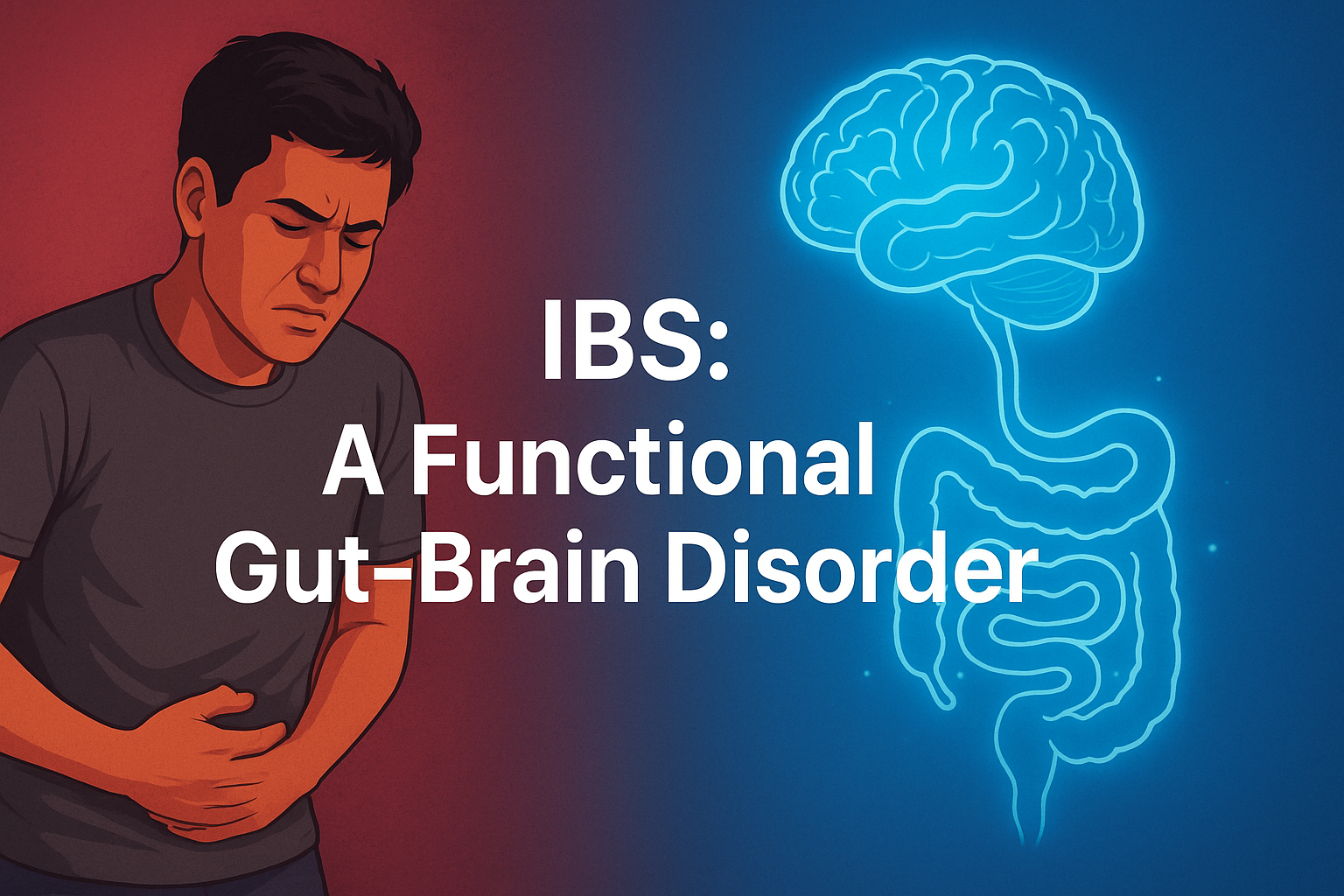
Understanding Irritable Bowel Syndrome Through Modern Science, Classical Homeopathy, and Holistic Living
Published on drbenojir.com | Mind | Body | Deen
You finish a meal and within minutes your abdomen begins to swell. A cramping pain moves through your gut, sending you rushing to the bathroom — or leaving you unable to go at all for days. You have had every test your doctor could order, and they all come back normal. You are told: “It’s IBS.”
For the estimated 10 to 15 percent of people worldwide living with irritable bowel syndrome (IBS), this scenario is all too familiar (Mearin et al., Gastroenterology, 2016). IBS is the most common functional gastrointestinal disorder globally, yet it remains one of the most misunderstood. It is not “all in your head,” nor is it simply a sensitive stomach. It is a real, complex, and often debilitating condition involving the gut, the brain, the immune system, and the microbiome.
This article aims to give you a clear, honest, and practical understanding of IBS — its causes, its symptoms, how it is diagnosed, and the full range of options available for relief, from modern medicine to classical homeopathy, lifestyle change, and spiritual well-being.
What Is Irritable Bowel Syndrome?
IBS is classified as a functional gastrointestinal disorder — meaning the bowel looks structurally normal under investigation, but does not function normally. It is characterized by a combination of recurrent abdominal pain, bloating, and changes in bowel habit, including diarrhea, constipation, or an alternating pattern of both.
Unlike inflammatory bowel disease (IBD) — which includes Crohn’s disease and ulcerative colitis — IBS does not cause visible inflammation, bleeding, or structural damage to the intestine. However, this does not make it any less real or any less disruptive to daily life.
IBS affects people of all ages and backgrounds, but is more commonly diagnosed in women and in people under the age of 50. It is a chronic condition that typically fluctuates — with periods of remission followed by flare-ups, often triggered by stress, diet, hormonal changes, or illness.
What Causes IBS? Understanding the Gut–Brain–Microbiome Axis
IBS does not have a single cause. Rather, it emerges from a complex interplay of biological, psychological, and environmental factors. Modern research has identified several key mechanisms:
The Gut–Brain Connection
The gut and brain are in constant two-way communication through a network of nerves, hormones, and immune signals known as the gut–brain axis. In people with IBS, this communication system becomes dysregulated. Chronic stress, anxiety, or depression can directly alter gut motility and sensitivity — which is why emotional upset so often triggers digestive symptoms. This is not imagination; it is neuroscience.
Visceral Hypersensitivity
People with IBS have a lower pain threshold in the gut. Normal sensations — gas moving through the intestine, routine bowel contractions — are perceived as pain or discomfort. This heightened sensitivity, called visceral hypersensitivity, explains why symptoms can feel disproportionate even in the absence of any visible disease.
Gut Microbiome Imbalance
The gut is home to trillions of microorganisms — collectively known as the gut microbiome — that play a vital role in digestion, immunity, and mood. Research published in Gut (Pittayanon et al., 2019) confirms that people with IBS show significant differences in microbiome composition compared to healthy individuals. Small Intestinal Bacterial Overgrowth (SIBO) is particularly associated with bloating and diarrhea-predominant IBS.
Post-Infectious IBS
In some cases, IBS begins after an episode of gastroenteritis (stomach flu or food poisoning). Known as post-infectious IBS, this subtype involves low-grade immune activation in the gut lining and is now one of the better-understood triggers of the condition.
Dietary Triggers
Fermentable carbohydrates — collectively known as FODMAPs (fermentable oligosaccharides, disaccharides, monosaccharides, and polyols) — are poorly absorbed in the small intestine and can cause gas, bloating, and diarrhea in susceptible individuals. Common culprits include onions, garlic, wheat, certain fruits, legumes, and dairy products.
Hormonal Factors
Women are diagnosed with IBS at roughly twice the rate of men, and many report worsening symptoms around menstruation. This suggests that reproductive hormones play a meaningful role in gut sensitivity and motility.
Risk Factors
Factors that increase the likelihood of developing IBS include a family history of the condition, a history of gastrointestinal infection, prolonged antibiotic use, childhood trauma or adverse life events, chronic anxiety or depression, and a diet high in processed or fermentable foods.
Symptoms and Diagnosis
IBS is diagnosed clinically — meaning through symptoms rather than tests — using the internationally recognized Rome IV criteria (Drossman, Gastroenterology, 2016). To meet these criteria, a person must have recurrent abdominal pain on average at least one day per week over the past three months, associated with two or more of the following: the pain is related to defecation, it is associated with a change in stool frequency, or it is associated with a change in stool form or appearance.
Common symptoms include bloating and abdominal distension, passage of mucus in the stool, a sensation of incomplete bowel emptying, urgency to defecate, and symptoms that are aggravated by eating or stress.
IBS is categorized into subtypes based on the predominant bowel pattern: IBS-D (diarrhea-predominant), IBS-C (constipation-predominant), IBS-M (mixed), and IBS-U (unclassified).
While IBS itself does not cause serious complications, it is associated with significant psychological distress, reduced quality of life, increased rates of anxiety and depression, and a higher likelihood of unnecessary investigations and procedures when not properly diagnosed.
It is important to rule out other conditions with similar presentations — including coeliac disease, inflammatory bowel disease, colorectal cancer (in older patients), and thyroid disorders — through appropriate testing before confirming an IBS diagnosis.
Conventional Treatment: What Modern Medicine Offers
Conventional medicine does not yet have a cure for IBS, but it offers a range of effective tools for managing symptoms and improving quality of life.
Dietary Approaches
The low-FODMAP diet — developed by researchers at Monash University, Australia — is currently the most evidence-based dietary intervention for IBS, shown to reduce symptoms in approximately 70 percent of patients (Gibson & Shepherd, Journal of Gastroenterology and Hepatology, 2010). It involves a temporary elimination of high-FODMAP foods followed by systematic reintroduction to identify personal triggers. This is best undertaken with the guidance of a registered dietitian.
Medication
Antispasmodic agents such as hyoscine or mebeverine help reduce abdominal cramping. For IBS-C, laxatives and newer secretagogues (such as linaclotide or lubiprostone) improve bowel regularity. For IBS-D, loperamide or rifaximin (an antibiotic targeting gut bacteria) may be prescribed. Low-dose tricyclic antidepressants or SSRIs are used not primarily for mood, but for their pain-modulating and gut-motility effects.
Psychological Therapies
Given the central role of the gut–brain axis, psychological therapies are among the most effective interventions for IBS. Cognitive Behavioral Therapy (CBT) and gut-directed hypnotherapy have strong evidence bases, with multiple randomized controlled trials demonstrating meaningful symptom improvement (Ford et al., The Lancet, 2014). These approaches address the mental and emotional factors that perpetuate gut dysregulation.
Probiotics
Specific probiotic strains — particularly Lactobacillus and Bifidobacterium species — have shown benefit for bloating and bowel regularity in some IBS patients. Results vary, and the optimal strain, dose, and duration remain under investigation. A 2018 meta-analysis in the American Journal of Gastroenterology found probiotics to be modestly effective overall.
Classical Homeopathy for IBS: Treating the Whole Person
One of the most consistent observations among patients who turn to classical homeopathy for IBS is that they feel truly listened to — often for the first time. A classical homeopathic consultation does not ask only “What are your bowel symptoms?” It asks: “How are you sleeping? How do you handle stress? What foods do you crave or avoid? How do you feel emotionally? What worsens or improves your symptoms?”
This is because classical homeopathy does not treat IBS as a diagnosis — it treats the individual who has IBS. The same condition may present completely differently in two people, and they may receive entirely different remedies. This principle of individualization is the cornerstone of classical homeopathic practice.
The goal of homeopathic treatment in IBS is not simply to suppress diarrhea or relieve bloating, but to address the underlying dysregulation — the gut–brain imbalance, the emotional triggers, the constitutional vulnerabilities — and restore the body’s self-healing capacity over time.
Below are ten commonly indicated remedies in classical homeopathy for IBS, each with their most important keynote characteristics:
1. Nux Vomica
The classic remedy for the driven, stressed, overworked individual — often someone who relies on coffee, alcohol, or stimulants to keep going. IBS presents with constipation, frequent ineffectual urging, and cramping pains. Symptoms worsen in the morning and after eating. Irritability, impatience, and hypersensitivity to noise and light are characteristic. Sedentary lifestyle and mental overwork are key triggers.
2. Lycopodium Clavatum
Marked bloating and distension immediately after eating, even a small amount. Gas and rumbling in the lower abdomen. Craving for sweets and warm food. Symptoms typically worsen between 4 and 8 p.m. The patient may appear confident outwardly but suffers from deep-seated anxiety and insecurity. Digestive complaints are often accompanied by liver or urinary issues.
3. Colocynthis
Severe, colicky abdominal cramps that are dramatically relieved by bending double, pressing firmly on the abdomen, or applying heat. Diarrhea or loose stools accompany the pain. A key feature is emotional suppression — the symptoms are often triggered or worsened by unexpressed anger, indignation, or grief. A sudden emotional upset frequently precedes a flare.
4. Argentum Nitricum
The hallmark is anticipatory anxiety with diarrhea. The patient develops loose stools before any stressful event — an exam, a journey, an interview, a social engagement. There is a strong craving for sweets and sugar, which paradoxically worsen symptoms. Bloating, belching, and a sense of urgency are prominent. The person tends to be hurried, impulsive, and warm-blooded.
5. Sulphur
Chronic diarrhea that is particularly urgent in the early morning, driving the patient out of bed. Stools are offensive, burning, and may be accompanied by anal soreness. Marked abdominal distension and heat. The patient tends to be warm-blooded, untidy, philosophical, and full of ideas. Itchy skin conditions often coexist with the digestive picture.
6. Natrum Muriaticum
Suited to individuals who are emotionally reserved, private, and carry long-suppressed grief or hurt. Bowel habits alternate between constipation and diarrhea. There may be anal fissures or dryness. A strong craving for salt and salty foods is characteristic. Symptoms worsen in the heat of the sun and in the morning. This remedy bridges emotional and digestive imbalance powerfully.
7. Pulsatilla Nigricans
Changeable, shifting symptoms — no two stools alike. Alternating diarrhea and constipation. Symptoms worsen after rich, fatty, or fried foods. The patient is emotionally gentle, weepy, and craves sympathy and company. Better in open air. Often indicated in women whose IBS fluctuates with hormonal cycles. Thirstlessness is a notable characteristic.
8. Aloe Socotrina
Sudden, urgent, explosive diarrhea immediately after eating or drinking. There is a marked sense of insecurity in the rectum — the patient is uncertain whether they can control the bowel. Mucus is frequently present in stool. Symptoms are worse in the morning and after hot food or drink. A feeling of heaviness and fullness in the lower abdomen is common.
9. China (Cinchona Officinalis)
Extreme bloating and distension with gas that does not pass easily, giving no relief. Weakness and fatigue after diarrhea or fluid loss. Stools may be painless but profuse and exhausting. There is often a history of long illness, loss of vital fluids, or chronic digestive weakness. Symptoms worsen at night and with the slightest touch, but improve with firm pressure.
10. Bryonia Alba
Constipation with large, dry, hard stools passed with great difficulty. Any movement worsens the abdominal discomfort — the patient prefers to lie completely still. Dryness is a central theme: dry mouth, dry lips, intense thirst for large quantities of cold water. Irritability and a desire to be left alone characterize the mental state. Symptoms worsen after eating and in warm weather.
Important: Remedy selection in classical homeopathy must always be individualized by a qualified practitioner based on the complete symptom picture. Please do not self-prescribe for a chronic condition.
Lifestyle Modification: The Gut Heals From the Inside Out
No treatment — conventional or homeopathic — delivers its full potential without meaningful lifestyle support. For IBS in particular, daily habits are not optional extras; they are core to recovery.
Diet and Eating Habits
Eat smaller, more frequent meals rather than large portions. Eat slowly and chew thoroughly — digestion begins in the mouth, and rushed eating floods the gut with poorly broken-down food. Keep a food diary to identify personal triggers. The low-FODMAP protocol is a powerful starting point, but it should be personalized. Generally beneficial is increasing soluble fibre (oats, psyllium husk, cooked vegetables), staying well hydrated, and reducing ultra-processed foods, artificial sweeteners, carbonated drinks, alcohol, and caffeine.
Exercise
Regular physical activity is one of the most effective and underused interventions for IBS. A 2011 randomized controlled trial published in the American Journal of Gastroenterology found that patients who increased their physical activity significantly improved both IBS symptoms and quality of life compared to those who did not. Even 20 to 30 minutes of brisk walking five times a week can improve gut motility, reduce stress hormones, and enhance mood.
Sleep
Sleep and gut health are intimately connected. The gut produces approximately 90 percent of the body’s serotonin — a neurotransmitter that regulates both mood and intestinal movement. Poor sleep disrupts serotonin regulation and amplifies visceral pain sensitivity. Aim for 7 to 9 hours of quality sleep each night. Prioritize a consistent sleep schedule, a dark and cool room, and winding down without screens for at least an hour before bed.
Stress Management
For many IBS patients, stress is the single most powerful trigger. The gut literally reacts to emotional stress through the gut–brain axis. Practical techniques include diaphragmatic breathing (slow, deep belly breathing for 5 minutes activates the parasympathetic “rest and digest” response), progressive muscle relaxation, mindfulness meditation, and regular quiet time. Reducing commitments, setting boundaries, and building emotional resilience are not luxuries — they are medicine for the IBS gut.
Habits to Review
Reduce or eliminate smoking, which disrupts gut motility. Review long-term use of NSAIDs (such as ibuprofen or aspirin), which can irritate the gut lining. Avoid unnecessary antibiotics, which deplete beneficial microbiome populations. Consider a review of any medications that cause constipation or diarrhea as side effects.
Mind | Body | Deen: The Gut, the Heart, and the Soul
In Islamic medicine and philosophy, the human being is an integrated whole — not a collection of separate parts. The gut, in particular, holds a unique place in both modern neuroscience and Islamic spiritual tradition.
The Mind
The enteric nervous system — the network of over 500 million nerve cells lining the gut — is sometimes called the “second brain.” It communicates constantly with the brain, and in people with IBS, this communication is dysregulated. Anxiety, suppressed anger, unresolved grief, and chronic worry are not just emotional experiences — they are physiological ones that directly alter gut function. Acknowledging and addressing the emotional dimension of IBS is not soft medicine; it is evidence-based medicine.
The Body
The Prophet Muhammad (peace be upon him) said: “The son of Adam does not fill any vessel worse than his stomach” (Ibn Majah, 3349). This hadith — urging moderation in eating — anticipates what modern gastroenterology now confirms: that overeating, rushed meals, and poor dietary choices are among the most significant drivers of gut dysfunction. Eating one third food, one third water, and leaving one third empty is not merely a prophetic recommendation — it is sound physiological advice that benefits gut motility, microbiome health, and digestive comfort.
The Deen (Spiritual Dimension)
Chronic illness tests the spirit. IBS, with its unpredictability and social limitations, can cause shame, withdrawal, and despair. Islam offers a profound framework for navigating suffering with dignity. Allah (SWT) reminds us: “Verily, with hardship comes ease” (Quran 94:5 — Surah Ash-Sharh). This is not passive acceptance — it is an active trust that difficulty is always accompanied by the possibility of relief.
The Prophet (peace be upon him) also said: “No fatigue, nor disease, nor sorrow, nor sadness, nor hurt, nor distress befalls a Muslim, even if it were the prick he receives from a thorn, but that Allah expiates some of his sins for that” (Sahih Bukhari, 5641–5642). Illness, including IBS, can be a means of spiritual purification and drawing closer to Allah — when approached with patience and gratitude.
Practices such as salah (the five daily prayers, which include physical movement, prostration, and structured breathing), dhikr (remembrance of Allah), recitation of the Quran, and tawakkul (trust in Allah) are deeply therapeutic. Research consistently demonstrates that spiritual practice, prayer, and a sense of meaning are associated with lower cortisol levels, reduced anxiety, better sleep, and improved immune function (Koenig et al., International Journal of Psychiatry in Medicine, 2012). The soul that is nourished heals the gut it inhabits.
Common Questions About IBS
Q: Is IBS a serious condition?
IBS is not life-threatening and does not increase the risk of bowel cancer or inflammatory bowel disease. However, it can seriously affect quality of life, mental health, work productivity, and social participation. It deserves to be taken seriously and managed thoughtfully.
Q: Can IBS be cured?
Conventional medicine does not currently offer a definitive cure, but many people achieve excellent symptom control and long periods of remission through a combination of dietary change, lifestyle modification, appropriate medication, and psychological support. Classical homeopathy aims to address the deeper imbalances that perpetuate the condition, with many patients reporting sustained improvement over time.
Q: How is IBS different from inflammatory bowel disease?
IBD (Crohn’s disease and ulcerative colitis) involves visible inflammation and structural damage to the bowel, confirmed by investigation. IBS does not. Both can cause abdominal pain and altered bowel habits, but IBD may also cause bleeding, fever, weight loss, and anaemia. These conditions require different management and should not be confused.
Q: When should I see a doctor urgently?
Seek prompt medical attention if you notice blood in the stool, unexplained weight loss, symptoms that wake you from sleep, a family history of bowel cancer or IBD, or if you are over 50 and developing new bowel symptoms. These features may indicate a condition other than IBS that requires investigation.
Conclusion
Irritable Bowel Syndrome is a complex, multi-layered condition that cannot be fully addressed by any single approach. Modern medicine provides valuable tools for symptom management and ruling out serious disease. Classical homeopathy offers a deeply individualized framework that attends to the emotional, constitutional, and functional roots of the condition. Lifestyle modification provides the foundation on which all other treatments work. And a spiritual perspective — rooted in gratitude, patience, and trust in the Healer — offers the inner resilience to navigate a chronic condition with grace.
You do not have to simply “live with” IBS. With the right guidance, the right tools, and a commitment to your whole-person health, meaningful and lasting improvement is possible.
References
Mearin, F. et al. (2016). Bowel disorders. Gastroenterology, 150(6), 1393–1407. Rome IV Criteria.
Pittayanon, R. et al. (2019). Gut microbiota in patients with irritable bowel syndrome: a systematic review. Gastroenterology, 157(1), 97–108.
Drossman, D.A. (2016). Functional gastrointestinal disorders: History, pathophysiology, clinical features, and Rome IV. Gastroenterology, 150(6), 1262–1279.
Gibson, P.R. & Shepherd, S.J. (2010). Evidence-based dietary management of functional gastrointestinal symptoms. Journal of Gastroenterology and Hepatology, 25(2), 252–258.
Ford, A.C. et al. (2014). Effect of antidepressants and psychological therapies, including hypnotherapy, in irritable bowel syndrome. The American Journal of Gastroenterology, 109(9), 1350–1365.
Johannesson, E. et al. (2011). Physical activity improves symptoms in irritable bowel syndrome. American Journal of Gastroenterology, 106(5), 915–922.
Koenig, H.G. et al. (2012). Religion, spirituality, and health: the research and clinical implications. ISRN Psychiatry.
Quran 94:5 (Surah Ash-Sharh). Translation: Sahih International.
Hadith: Sahih Bukhari, No. 5641–5642. Book of Patients.
Hadith: Ibn Majah, No. 3349. Book of Food.
Dr. Benojir
Classical Homeopath & Islamic Life Coach
Mind | Body | Deen
“We Treat; Allah Heals”