How Slowing Down at Mealtimes Can Heal Your Body, Mind, and Spirit
We eat several times a day, yet how often do we actually notice what we are doing? Most meals today happen in front of a screen, between meetings, or in the rush between errands. Food goes in, but attention stays somewhere else.
This disconnect has a name in modern health science: mindless eating. And its opposite — mindful eating — is fast becoming one of the most evidence-backed, accessible tools for improving digestion, weight, and emotional well-being. Interestingly, this “modern” concept is not new at all. It echoes a way of eating that the Prophet Muhammad ﷺ practiced and taught more than 1,400 years ago.
This article looks at what mindful eating really means, what current research says about its benefits, how classical homeopathy can support people whose digestion and habits have been thrown off balance, and how the practice connects to the Sunnah of eating.
What Is Mindful Eating?
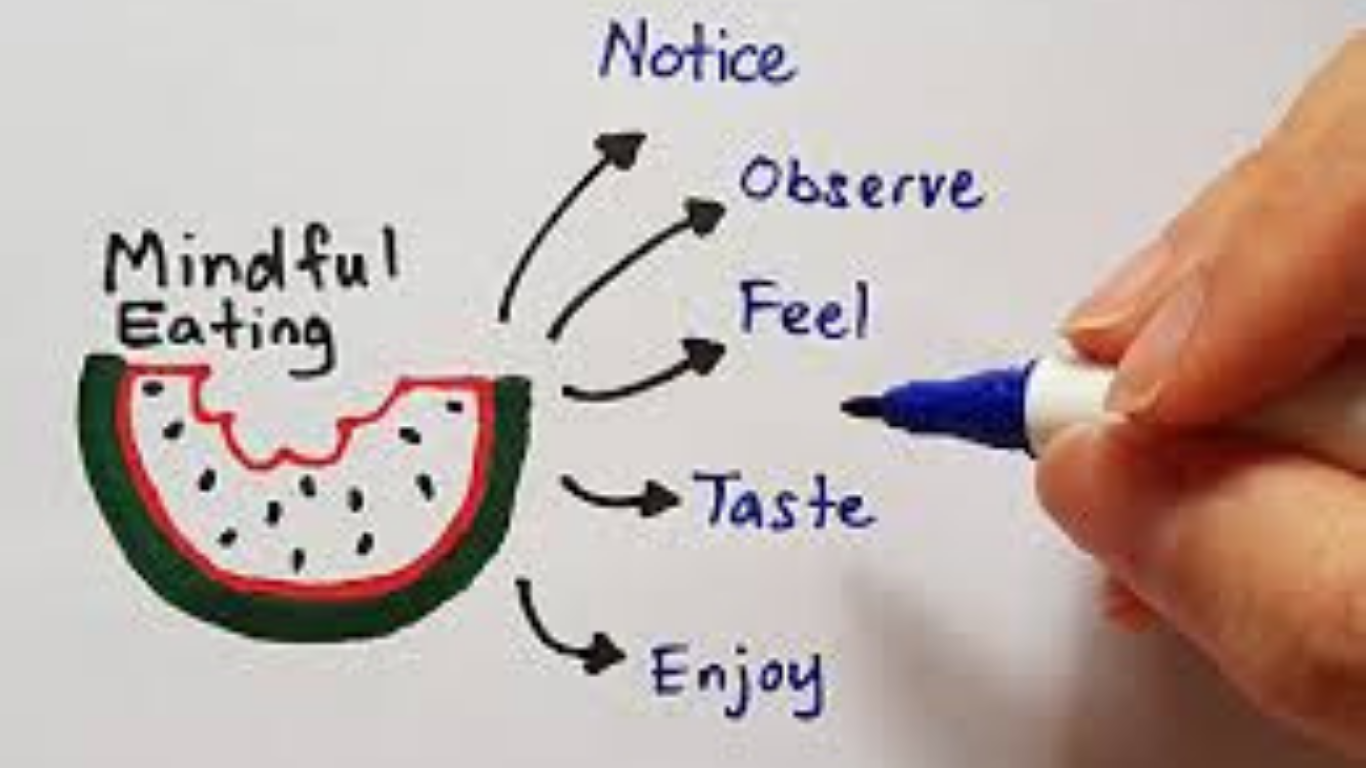
Mindful eating means bringing full attention to the experience of eating — before, during, and after a meal. In practice, it looks like:
• Noticing genuine physical hunger before you start eating
• Eating slowly, without rushing
• Paying attention to taste, texture, and aroma
• Reducing distractions such as phones, TVs, or work screens
• Stopping when comfortably satisfied rather than overly full
• Eating with gratitude rather than guilt
It is not a diet, and it does not label foods as “good” or “bad.” It is a shift in how and why we eat, not just what we eat.
What the Research Shows
Mindful eating has moved from a wellness trend into a genuine area of clinical research. A few consistent findings stand out:
Digestion improves when we slow down. Eating calmly activates the parasympathetic nervous system — the body’s “rest and digest” mode — which supports healthy stomach and gut function. Eating while stressed or rushed does the opposite, redirecting blood flow away from digestion.
Mindful eating supports healthy weight management. Because the brain takes around 20 minutes to register fullness, eating quickly often leads to consuming more than the body needs. Research reviews have found that mindfulness-based approaches can be as effective as traditional methods for managing weight and reducing emotional or binge eating, without the restrictive, all-or-nothing mindset that often backfires.
It reduces emotional eating. Many of us eat in response to stress, boredom, or sadness rather than true hunger. Studies show that mindfulness training helps people pause and recognize these emotional triggers, gradually replacing automatic eating with a more conscious response.
It improves the relationship with food itself. People who practice mindful eating regularly report less guilt, more enjoyment of meals, and greater satisfaction from smaller portions.
When Mindful Eating Is Ignored
The effects of mindless eating rarely appear overnight. They build gradually, the way a habit becomes a pattern, and a pattern becomes a health concern. Common consequences include:
• Bloating, acidity, and indigestion
• Overeating beyond the body’s actual needs
• Fatigue and sluggishness after meals
• Difficulty managing weight
• Increased emotional reliance on food
• General digestive irritability over time
From a holistic perspective, these are early signals — the body’s way of asking for attention — rather than isolated problems to suppress individually.
Mindful Eating and the Sunnah
Long before “mindfulness” became a clinical term, the Prophet Muhammad ﷺ modeled an approach to eating built on awareness, gratitude, and restraint. A few examples:
Eating with intention. Beginning a meal with the remembrance of Allah and the intention to nourish the body for worship and good deeds transforms eating from a mechanical act into one with purpose.
Eating in moderation. The Prophet ﷺ said:
“The son of Adam does not fill any vessel worse than his stomach. It is sufficient for the son of Adam to eat a few mouthfuls to keep him going. If he must (fill his stomach), then let him fill one-third with food, one-third with drink, and one-third with air.”
— Sunan al-Tirmidhi 2380, graded sahih
This single teaching anticipates, by many centuries, what modern nutrition science now confirms: that stopping short of fullness supports better digestion and energy.
Eating without excess. The Quran instructs:
“Eat and drink, but be not excessive. Indeed, He likes not those who commit excess.”
— Surah Al-A’raf, 7:31
Eating slowly and with presence, rather than rushing through a meal, and sitting calmly to eat are also part of the Sunnah — practices that align closely with what mindfulness research recommends today.
How Eating Habits Affect Overall Health
The way we eat influences far more than the digestive tract. Over time, unmindful eating patterns can be linked to:
Digestive health — irregular enzyme activity, bloating, and an imbalanced gut environment
Energy and metabolism — blood sugar swings and post-meal fatigue
Mental clarity — brain fog and irritability associated with poor digestion and erratic eating schedules
Long-term resilience — a body under constant digestive strain has less capacity to manage everyday stress
None of this means food is the “enemy.” It simply means that how we eat is as important as what we eat.
Classical Homeopathy for Digestive Imbalance
Classical homeopathy does not view indigestion, bloating, or food-related discomfort as problems to silence. Instead, a homeopath looks at the whole pattern — what triggers the discomfort, how the person’s body and mind respond, and what makes the person individually unique. Two people with “indigestion” may need entirely different remedies, because homeopathy treats the person, not just the label of the disease.
Below are some commonly indicated remedies for digestive and eating-related complaints, with their classical keynote symptoms. These are shared for educational purposes; remedy selection should always be individualized by a qualified homeopath after a full case history.
Nux Vomica — Often suited to people with a busy, high-pressure lifestyle. Indicated for indigestion, acidity, and bloating after overeating, rich food, or stimulants such as coffee, in irritable, driven personalities.
Lycopodium Clavatum — For bloating and a sense of fullness after eating even small amounts, often worse in the late afternoon or evening, with marked gas and a craving for sweets.
Pulsatilla Nigricans — Suited to gentle, mild-tempered individuals whose digestion is upset by rich, fatty, or creamy foods, with symptoms that improve in open air and a desire for comfort and company.
Carbo Vegetabilis — For heaviness, sluggish digestion, and marked bloating with sour belching, often after fatty meals or in generally weak digestion.
Natrum Phosphoricum — Indicated for sour belching, acid reflux, and a creamy yellow coating on the tongue, especially after sugar or dairy.
China Officinalis — For bloating and weakness following meals, with a feeling that digestion is simply too slow, and sensitivity to fruit.
Sepia — For digestive upset connected to chronic stress and fatigue, often with irritability and a craving for sour foods.
Argentum Nitricum — For nervous, anticipatory eating — bloating, belching, and a craving for sweets that paradoxically worsens symptoms, often before stressful events.
A classical homeopath will weigh these and other remedies against the person’s complete picture — physical symptoms, emotional state, food cravings or aversions, stress levels, and constitution — before recommending a course of treatment.
Lifestyle Modification: Practical Steps
Mindful eating works best as part of a broader, sustainable lifestyle. A few practical starting points:
Diet — Favor whole, minimally processed foods. Eat at regular times where possible, and avoid skipping meals only to overeat later.
Sleep — Poor sleep disrupts hunger hormones (ghrelin and leptin), often increasing cravings the next day. Aim for consistent, adequate rest.
Movement — Regular, moderate physical activity supports digestion and helps regulate appetite naturally — a short walk after meals is a simple, effective habit.
Stress management — Since stress directly affects digestion through the nervous system, practices such as prayer, deep breathing, or quiet reflection before meals can measurably improve how food is digested.
Mealtime habits — Put away phones and screens during meals. Chew thoroughly. Pause halfway through to check in with your hunger level. Eat in company when possible — the Sunnah encourages shared meals, which naturally slow the pace of eating.
Common Questions
Is mindful eating the same as a diet? No. It does not restrict food groups or count calories. It is about awareness and pacing, which often leads naturally to better choices over time.
Can mindful eating help with weight loss? It can support healthy weight management by reducing overeating and emotional eating, though it works best alongside an overall balanced lifestyle rather than as a standalone solution.
Is homeopathy a substitute for seeing a doctor about digestive symptoms? No. Persistent or severe digestive symptoms should always be evaluated by a qualified physician to rule out underlying conditions. Homeopathy can be a valuable complementary approach once serious causes have been excluded, working alongside — not instead of — appropriate medical care.
How long does it take to build mindful eating habits? Like any habit, it develops gradually. Many people notice a difference in digestion and satisfaction within a few weeks of consistent practice.
Mind | Body | Deen
Mind. Mindless eating is often less about hunger and more about distraction, stress, or emotion. Building awareness at mealtimes is, in many ways, a small daily exercise in mindfulness itself — a pause that calms the nervous system before it ever reaches the stomach.
Body. The physical body responds measurably to how we eat. Calm, slow eating supports digestion; rushed, distracted eating strains it. Over time, these small daily choices shape long-term digestive and metabolic health.
Deen. In Islam, food is a trust (amanah), and the body is an amanah as well — something we are responsible for caring for, not abusing through excess or neglect. The Quran reminds believers to “eat and drink, but be not excessive” (7:31), while the Prophet ﷺ modeled physical moderation through his own simple meals and his teaching about dividing the stomach into thirds. Eating mindfully, with gratitude and intention, becomes more than a health practice — it becomes an act of worship and self-respect before Allah.
Final Thoughts
Mindful eating is not about perfection at every meal. It is a gradual return to awareness — choosing, again and again, to eat with presence rather than distraction. When this awareness is paired with patience and, where needed, the gentle, individualized support of classical homeopathy, lasting digestive and emotional balance becomes far more achievable.
Healing is a journey of consistency, sincerity, and trust — and ultimately, of reliance on Allah.
Dr. Benojir
Classical Homeopath & Islamic Life Coach
Mind | Body | Deen
“We Treat; Allah Heals”