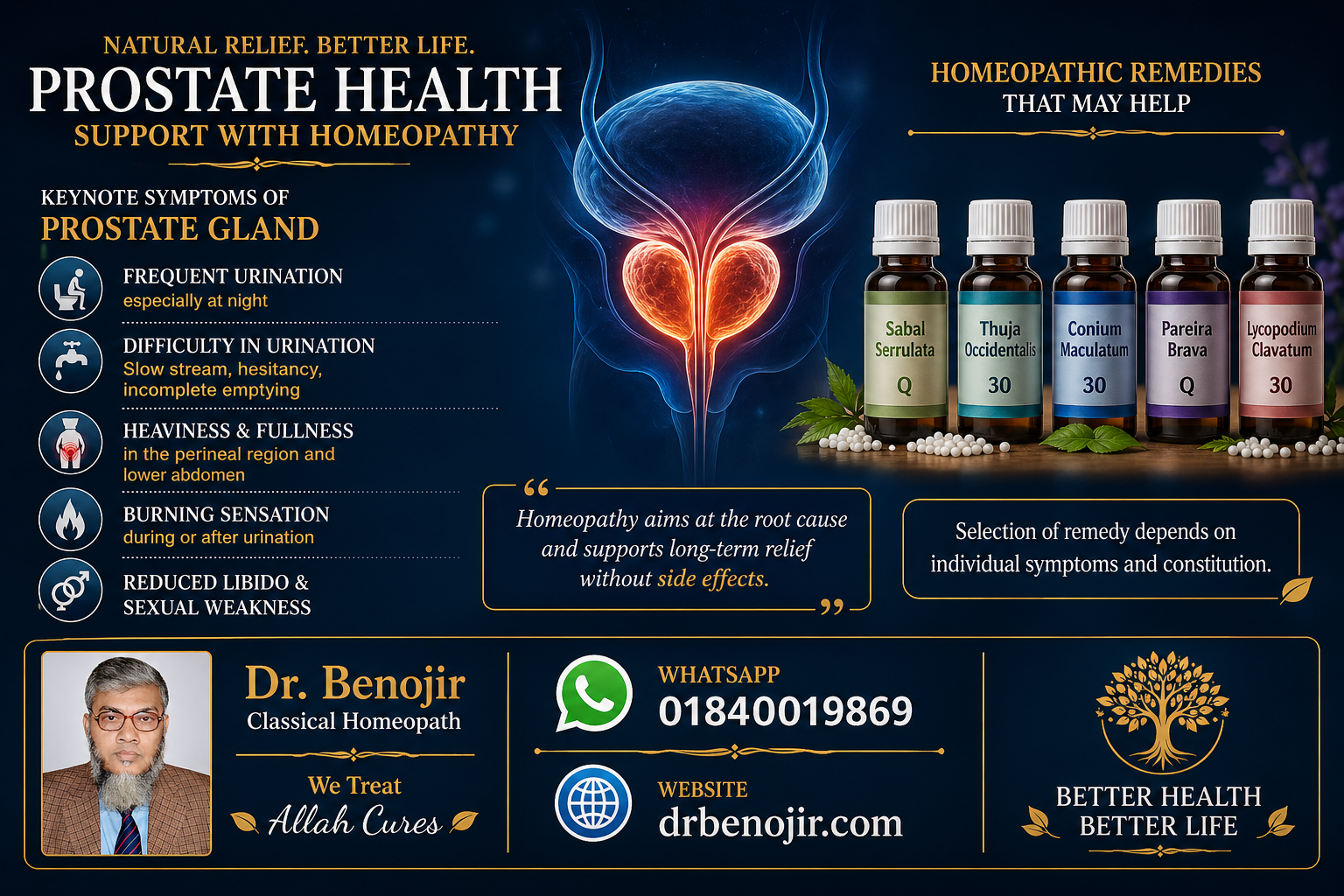
The Ultimate Prostate Health Blueprint
The prostate is a small, walnut-sized gland located beneath the bladder, surrounding the urethra, the tube that carries urine and semen out of the body. Despite its modest size, the prostate plays a vital role in male reproductive health by producing the nutrient-rich, alkaline fluid that forms a major component of semen.
As men age, this small gland often becomes a source of significant health concerns. Understanding how the prostate functions, recognizing early warning signs, and adopting a holistic approach to prostate care can dramatically improve long-term quality of life.
I’m
Common Prostate Conditions Explained
Prostate health issues generally fall into three main categories, ranging from mild discomfort to serious, life-threatening disease.
1. Benign Prostatic Hyperplasia (BPH)
BPH is a non-cancerous enlargement of the prostate gland and a natural part of aging. Hormonal shifts, particularly involving dihydrotestosterone (DHT), cause prostate tissue to grow. Because the gland surrounds the urethra, this enlargement compresses the urinary tube, much like a kinked garden hose, resulting in chronic lower urinary tract symptoms (LUTS). BPH is extremely common, affecting more than half of men in their fifties and up to 90 percent of men over eighty.
2. Prostatitis
Unlike BPH, which develops gradually with age, prostatitis is inflammation or infection of the prostate that can affect men at any age. It may present as acute bacterial prostatitis (a sudden, severe infection), chronic bacterial prostatitis, or chronic pelvic pain syndrome (CPPS), the most common form, characterized by non-bacterial inflammation, nerve sensitivity, and pelvic floor muscle dysfunction.
3. Prostate Cancer
Prostate cancer develops when malignant cells form in prostate tissue. It is one of the most common cancers affecting men worldwide. While highly treatable when detected early, it often progresses silently with few or no symptoms in its early stages, which makes routine screening essential. Key risk factors include advanced age, a family history of the disease, obesity, and chronically low vitamin D levels.
Warning Signs to Watch For
Because the prostate surrounds the urinary tract, most problems show up as changes in urination. Symptoms shared across BPH, prostatitis, and advanced prostate cancer include:
• Nocturia: waking multiple times at night to urinate
• Hesitancy and weak stream: difficulty starting urination, a weak or trickling flow, or dribbling afterward
• Incomplete emptying: a persistent feeling that the bladder is still full after urinating
• Urgency and frequency: a sudden, frequent need to urinate during the day
• Dysuria and pelvic pain: burning or deep pelvic discomfort, often linked to prostatitis
• Hematuria: blood in the urine or semen, which requires prompt medical attention
• Acute urinary retention: a sudden, painful inability to urinate, considered a medical emergency
Complementary Care: Homeopathic Remedies
Within an integrative health approach, some individuals use homeopathic remedies to help manage constitutional symptoms, reduce stress, and support overall vitality.
Important: Homeopathy should never replace conventional medical treatment for serious conditions such as prostate cancer or acute urinary retention. It should only be used as a complementary therapy alongside professional urological or oncological care, and always under guidance from a qualified practitioner.
1. Sabal serrulata: a leading remedy for classic BPH symptoms, including a constant urge to urinate, a weak and painful stream, and a sensation of pressure or coldness in the pelvic area.
2. Lycopodium clavatum: often suited to symptoms occurring predominantly on the right side, with slow urinary flow, frequent nighttime urination, and digestive bloating or gas.
3. Conium maculatum: considered for older men with a hardened or enlarged prostate, where the urine stream starts and stops repeatedly and general weakness is present.
4. Baryta carbonica: associated with prostate enlargement accompanied by memory difficulties, mental fatigue, or social withdrawal in older adults.
5. Thuja occidentalis: used when there is a sense of tissue overgrowth, with an irregular or interrupted urine stream, sometimes alongside a history of skin growths.
6. Chimaphila umbellata: indicated for intense burning during urination, especially when the person must lean forward or strain to begin urinating.
7. Staphysagria: considered for sharp, stinging urethral pain, particularly following surgery, catheterization, or emotional stress.
8. Pulsatilla pratensis: suited to changeable symptoms in individuals who feel better in cool, open air and tend to have a gentle, sensitive temperament.
9. Nux vomica: often used for high-stress individuals with heavy coffee, alcohol, or spicy food intake, who experience frequent, irritable nighttime urination.
10. Equisetum: useful for bladder irritability, with a dull, full sensation that persists after urinating and noticeable burning afterward.
Lifestyle Habits That Support Prostate Health
Daily habits shape the cellular environment of the prostate. The following evidence-based strategies can help support long-term prostate health:
Eat a prostate-friendly diet: Include lycopene-rich foods such as cooked tomatoes, watermelon, and papaya, which accumulate in prostate tissue and help reduce oxidative stress. Add cruciferous vegetables like broccoli and Brussels sprouts to support healthy hormone metabolism. Incorporate healthy fats such as extra virgin olive oil, walnuts, and oily fish like salmon and mackerel for their omega-3 content, and consider swapping coffee for antioxidant-rich green tea.
Stay physically active: Aim for at least 150 minutes of moderate exercise, such as brisk walking or swimming, or 75 minutes of vigorous activity each week. Break up long periods of sitting by standing or moving for a few minutes every hour to ease pressure on the pelvic floor.
Reduce harmful habits: Avoid smoking entirely and limit alcohol intake, as both contribute to inflammation and can worsen urinary symptoms.
Monitor key health markers: Maintain healthy vitamin D levels through safe sun exposure or supplementation, since vitamin D plays a role in regulating prostate cell growth. Prioritize 7 to 8 hours of quality sleep each night to help manage stress hormones.
A Holistic Approach: Mind, Body, and Spirit
Long-term prostate health benefits from an approach that addresses mental wellbeing, physical care, and spiritual practice together.
Mental Wellbeing
Chronic stress tightens the pelvic floor muscles, which can worsen symptoms of BPH and chronic pelvic pain syndrome. Practices such as mindfulness, deep breathing, and stress management techniques can help calm the nervous system and relax the pelvic area.
Physical Care and Screening
Regular medical checkups remain essential. Men over 50, or over 45 with a family history of prostate cancer, should discuss regular Prostate-Specific Antigen (PSA) blood tests and digital rectal exams (DRE) with their doctor. Early detection significantly improves treatment outcomes.
Spiritual Wellbeing
For many, faith and spiritual practice provide comfort and resilience during health challenges. Regular prayer routines that involve gentle physical movement may support circulation, while practices like meditation, reflection, and supplication can help ease anxiety associated with chronic health concerns. Natural remedies valued in many traditions, such as honey and black seed oil, are also recognized in modern research for their antioxidant properties.
Conclusion
By combining regular clinical screening, targeted lifestyle changes, complementary therapies used responsibly, and attention to mental and spiritual wellbeing, men can take a proactive, comprehensive approach to protecting prostate health and improving overall quality of life for years to come.
Dr. BM Benojir Ahmed
Classical Homeopath | Certified Islamic Life Coach
Mind | Body | Deen
We Treat; Allah Heals