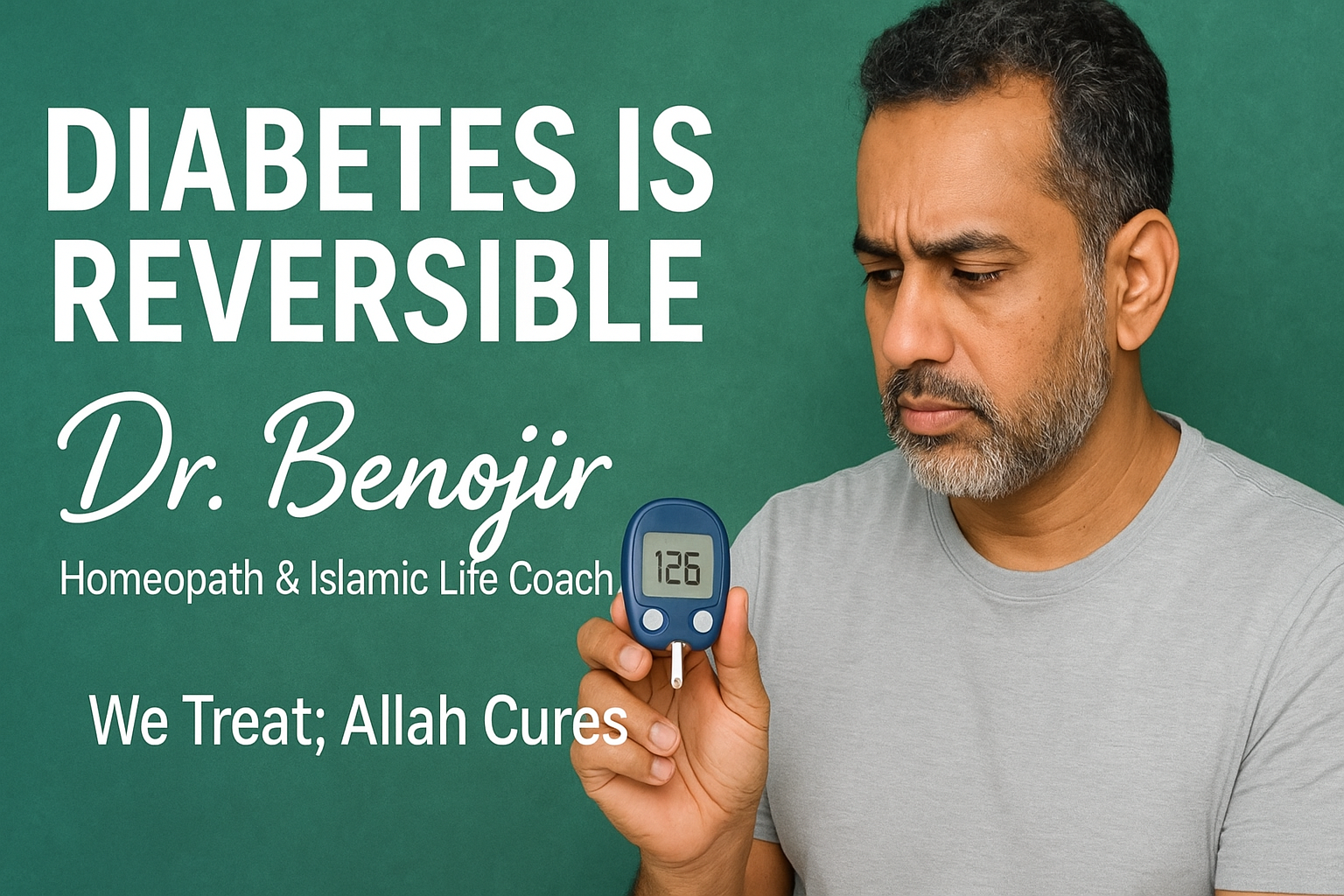
A Complete Guide to Causes, Symptoms, Complications, Classical Homeopathy, and Holistic Healing
Diabetes mellitus is one of the most rapidly growing chronic diseases of our time. According to the International Diabetes Federation (IDF), approximately 537 million adults worldwide were living with diabetes in 2021 — a number projected to rise to 783 million by 2045. In Bangladesh alone, over 13 million people are affected, making it a significant public health concern.
Yet, despite its prevalence, diabetes is widely misunderstood. Many people confuse it with merely having 'high sugar.' In reality, diabetes is a complex metabolic disorder that affects nearly every organ system in the body. The good news is that with the right knowledge, lifestyle habits, and personalized care, people with diabetes can live long, fulfilling, healthy lives.
This article offers an evidence-informed, holistic overview of diabetes — including its types, symptoms, diagnosis, complications, classical homeopathic treatment, lifestyle strategies, and the spiritual dimension of managing a chronic illness.
What Is Diabetes? Understanding the Basics
Diabetes mellitus occurs when the body cannot properly regulate blood glucose (sugar) levels. Glucose is the primary fuel for our cells, and insulin — a hormone produced by the pancreas — acts like a key that unlocks cells so glucose can enter. When insulin is absent, insufficient, or ineffective, glucose accumulates in the bloodstream, leading to the condition we call hyperglycaemia, or high blood sugar.
Think of it this way: imagine a city full of parked cars (glucose) with no roads open (no insulin) to reach their destinations (cells). The traffic builds up, causing damage to the surrounding infrastructure — and that is essentially what uncontrolled diabetes does to the body over time.
The Main Types of Diabetes
Type 1 Diabetes Mellitus (T1DM) is an autoimmune condition in which the body's own immune system destroys the insulin-producing beta cells of the pancreas. People with Type 1 produce little to no insulin and require lifelong insulin therapy. It typically presents in childhood or adolescence, although it can develop at any age.
Type 2 Diabetes Mellitus (T2DM) is by far the most common form, accounting for over 90% of all cases globally. In Type 2, the body either does not produce enough insulin or its cells become resistant to insulin's effects. It is strongly associated with obesity, physical inactivity, poor diet, and genetic predisposition. It often develops silently over years before diagnosis.
Gestational Diabetes Mellitus (GDM) occurs during pregnancy when hormonal changes interfere with insulin function. It usually resolves after delivery but significantly increases the mother's risk of developing Type 2 diabetes later in life, and may affect the baby's long-term metabolic health as well.
Secondary Diabetes can result from other conditions such as chronic pancreatitis, Cushing's syndrome, prolonged steroid use, or rare genetic conditions such as MODY (Maturity-Onset Diabetes of the Young).
Recognizing the Signs: Symptoms of Diabetes
Diabetes is sometimes called a 'silent disease' because early symptoms can be subtle or mistaken for other conditions. The classic triad — frequent urination (polyuria), intense thirst (polydipsia), and increased hunger (polyphagia) — is well known, but there are many other signs people often overlook.
These include unexplained weight loss despite eating normally, persistent fatigue, blurred vision, slow-healing cuts or wounds, recurring skin or genital fungal infections, tingling, numbness or burning sensations in the feet or hands (early neuropathy), and darkening of the skin in the armpits or neck (acanthosis nigricans), which is a common sign of insulin resistance.
A common patient question: 'I don't feel any different — can I still have diabetes?' Absolutely yes. Many people with Type 2 diabetes have no symptoms for years. This is why regular screening for at-risk individuals is so important.
Who Is at Risk? Key Risk Factors
While anyone can develop diabetes, certain factors significantly increase the risk. Family history plays a major role — if a parent or sibling has Type 2 diabetes, your risk is substantially higher. Other key risk factors include obesity, particularly excess fat around the abdomen; a sedentary lifestyle with little physical activity; a diet high in refined carbohydrates and sugary beverages; high blood pressure (hypertension); abnormal cholesterol levels; age above 40; previous gestational diabetes; polycystic ovary syndrome (PCOS); and smoking or excessive alcohol consumption.
Understanding your personal risk profile is the first step toward prevention.
How Is Diabetes Diagnosed?
Diabetes is diagnosed through blood tests. A fasting plasma glucose of 126 mg/dL or above (taken after at least 8 hours of fasting) is diagnostic of diabetes. A result of 100 to 125 mg/dL indicates prediabetes — an important warning stage where the condition can often be reversed through lifestyle change.
A two-hour post-prandial (post-meal) glucose of 200 mg/dL or above also confirms diabetes, while 140 to 199 mg/dL suggests impaired glucose tolerance (prediabetes).
The HbA1c test measures average blood sugar over the past two to three months. An HbA1c of 6.5% or above confirms diabetes; between 5.7% and 6.4% indicates prediabetes. This test is particularly useful for monitoring long-term glucose control in people already diagnosed.
Note for patients in Bangladesh: blood glucose results are typically reported in mg/dL, while international guidelines often use mmol/L. To convert, divide mg/dL by 18. For example, 126 mg/dL equals 7.0 mmol/L.
If Left Unmanaged: Complications of Diabetes
Poorly controlled diabetes can cause widespread, serious damage to multiple organ systems. These complications are broadly categorised as acute (sudden onset) and chronic (developing over time).
Acute complications include hypoglycaemia (dangerously low blood sugar), diabetic ketoacidosis (DKA) — more common in Type 1 — and hyperosmolar hyperglycaemic state (HHS), a life-threatening condition usually seen in Type 2 diabetes.
Chronic complications arise when persistently high blood glucose damages blood vessels and nerves throughout the body. Diabetic retinopathy is the leading cause of preventable blindness in working-age adults, occurring when high glucose damages the delicate blood vessels in the retina. Diabetic nephropathy (kidney disease) can progress to kidney failure requiring dialysis. Diabetic neuropathy causes numbness, burning, or pain — most commonly in the feet — and is the primary driver of non-traumatic foot amputations worldwide. Cardiovascular disease is the leading cause of death in people with diabetes, with a two- to four-fold increased risk of heart attack and stroke. Periodontal (gum) disease is also more common and severe in diabetic individuals.
The encouraging reality is that most of these complications are preventable or can be significantly delayed with consistent, attentive self-management.
Classical Homeopathy for Diabetes: An Individualized Approach
Classical homeopathy does not treat diabetes as a single disease to be addressed with a standard protocol. Rather, it seeks to understand the whole person — their unique physical symptoms, emotional state, energy patterns, food cravings and aversions, sleep habits, and life history — and select a remedy that fits that individual's totality of symptoms. This is known as individualized constitutional prescribing.
It is important to understand that homeopathy in diabetes works best as a complementary and supportive approach, particularly in managing symptoms, addressing underlying constitutional tendencies, and improving quality of life. It should never replace prescribed medical treatment, especially insulin in Type 1 diabetes. Qualified homeopathic consultation and regular monitoring of blood glucose are essential.
The following are among the most commonly indicated homeopathic remedies for conditions associated with diabetes, presented with their key indications:
1. Syzygium Jambolanum
· One of the most commonly used remedies for elevated blood sugar with polyuria and intense thirst.
· Persistent boils, skin ulcers, and carbuncles that are slow to heal.
· Offensive breath and urine; weakness following urination. Useful as a symptomatic adjunct when blood sugar is persistently elevated.
• 2. Phosphoric Acid
• Diabetes arising after profound grief, emotional shock, mental exhaustion, or prolonged stress.
• Complete apathy and indifference; the patient has lost the will to engage with life.
• Profuse, watery urination especially at night; great thirst for cold or refreshing drinks.
• Weakness from loss of vital fluids; milky or cloudy urine.
3. Uranium Nitricum
• Marked emaciation with rapid weight loss; diabetes with kidney involvement (protein in urine).
• Intense dryness of the mouth and throat despite drinking water.
• Bloating, gas, and liver heaviness with digestive disturbances.
• Particularly indicated where both sugar and albumin are found in the urine.
4. Lycopodium Clavatum
• Diabetes with significant bloating, gas, and constipation; marked liver involvement.
• Classic aggravation between 4 and 8 PM daily.
• Strong craving for sweets, yet sweets worsen the condition.
• Irritability and impatience; one foot hot, the other cold.
• Suited to individuals with liver dysfunction and digestive weakness alongside blood sugar issues.
5. Arsenicum Album
• Diabetic patients with great burning sensations, intense restlessness, and anxiety.
• Extreme thirst but drinks only small sips at frequent intervals.
• Fear of death, obsessive worry about health; worsening of all symptoms after midnight.
• Tendency to gangrenous conditions, skin eruptions, and ulcers in chronic diabetics.
6. Phosphorus
• Intense thirst for cold water, which is vomited soon after it warms in the stomach.
• Burning sensations in the chest, stomach, palms, and soles of feet.
• Nervous weakness and bleeding tendency; particularly suited to tall, slender individuals.
• Helpful in diabetic neuropathy where burning pain is a dominant feature.
7. Calcarea Carbonica
• Obesity with sluggish metabolism; diabetes in overweight, chilly individuals who sweat easily about the head.
• Strong cravings for eggs and indigestible foods; easily fatigued from minimal exertion.
• Anxiety about health; cold, damp feet; suited to those with a slow, phlegmatic constitution.
8. Natrum Sulphuricum
• Diabetes arising after liver disease, hepatitis, or prolonged jaundice.
• Sugar in urine is particularly noticeable in the morning; sour taste in the mouth.
• All symptoms worsen in damp, humid, or rainy weather.
• Irritability and, in chronic cases, deep sadness or suicidal ideation — always requiring proper professional support.
9. Sulphur
• Chronic diabetic state with heat, burning, and skin problems.
• Burning of the feet — must uncover them at night; heat at the top of the head.
• Intense hunger at around 11 AM; offensive perspiration.
• Often used as an intercurrent remedy to unblock chronic cases.
10. Cephalandra Indica
• High blood sugar accompanied by extreme dryness, burning sensations, and deep fatigue.
• Digestive disturbances: gas, bloating, and indigestion; tendency to carbuncles.
• Considered a supportive remedy that may help regulate pancreatic function.
Selecting the correct remedy requires a full case-taking by a qualified classical homeopath and should always be done in conjunction with medical monitoring.
Lifestyle Modification: The Foundation of Diabetes Management
No medication or remedy — conventional or complementary — can compensate for unhealthy daily habits. Lifestyle modification is not an optional add-on; it is the cornerstone of diabetes prevention, management, and even partial reversal in Type 2 diabetes.
Diet and Nutrition
The goal is not simply to avoid sugar, but to eat in a way that supports stable blood glucose throughout the day. Focus on whole, minimally processed foods: vegetables, legumes, whole grains, healthy fats, and lean proteins. Choose low glycaemic index (GI) foods that release glucose slowly — for example, brown rice over white rice, whole lentils, oats, and non-starchy vegetables.
Limit refined carbohydrates, sugary drinks, processed snacks, and fried foods. Eat meals at regular intervals rather than large, infrequent meals. A simple practical principle: fill half your plate with vegetables, one quarter with lean protein, and one quarter with a complex carbohydrate.
Physical Activity
Regular physical activity is one of the most powerful tools available for managing blood sugar. Aim for at least 30 to 45 minutes of brisk walking or other moderate-intensity aerobic exercise on most days of the week. Exercise increases insulin sensitivity, meaning the body's cells respond better to insulin. Resistance training (using body weight, resistance bands, or weights) further improves glucose metabolism. Even light movement after meals — a 10-minute walk — can meaningfully reduce post-meal blood sugar spikes.
Sleep and Rest
Poor or insufficient sleep disrupts glucose metabolism and increases insulin resistance. Adults should aim for seven to eight hours of quality sleep each night. Establishing a consistent sleep schedule, minimising screen time before bed, and creating a dark, quiet sleep environment all contribute to better sleep quality — and better blood sugar control.
Stress Management
Chronic stress elevates cortisol and other stress hormones that directly raise blood glucose levels. Techniques such as deep breathing, mindfulness, gentle yoga, spending time in nature, and maintaining social connections all help reduce the physiological burden of stress. Addressing unresolved emotional pain — grief, anxiety, anger — is equally important and often overlooked in diabetes management.
Harmful Habits
Smoking accelerates cardiovascular damage and worsens insulin resistance. Alcohol raises blood sugar and adds hidden calories. Quitting smoking and minimising alcohol consumption are important steps in reducing the overall risk profile of a diabetic patient. Regular monitoring of blood pressure, cholesterol, and kidney function — alongside blood glucose — is essential for comprehensive management.
Mind | Body | Deen: The Spiritual Dimension of Diabetes
Illness is not merely physical. For a Muslim, a chronic condition like diabetes is also an invitation to reflection, gratitude, patience, and reliance on Allah. Islam provides profound guidance for navigating the experience of illness, pain, and the vulnerability of the human body.
The Mind: Emotional Wellbeing
Living with a chronic illness places significant emotional strain on a person. Feelings of frustration, denial, fear, or helplessness are common. Research consistently shows that psychological wellbeing is directly linked to physical outcomes in diabetes — people who experience depression or high anxiety have poorer glucose control. Acknowledging emotions, seeking support, and avoiding isolation are not signs of weakness; they are part of holistic healing.
The Body: A Trust from Allah
In Islam, the body is an amanah — a trust from Allah. We are accountable for how we care for it. The Prophet Muhammad (peace be upon him) said:
إِنَّ لِجَسَدِكَ عَلَيْكَ حَقًّا
"Your body has a right over you."
— Sahih al-Bukhari, 1975
This hadith reminds us that caring for our physical health — through proper diet, exercise, rest, and medical care — is not vanity but an act of worship. Neglecting the body is a violation of a divine trust.
Deen: Illness as a Purification
Islam views illness not as punishment but as a form of purification and elevation of rank. The Prophet (peace be upon him) said:
مَا يُصِيبُ الْمُسْلِمَ مِنْ نَصَبٍ وَلاَ وَصَبٍ وَلاَ هَمٍّ وَلاَ حُزْنٍ وَلاَ أَذىً وَلاَ غَمٍّ، حَتَّى الشَّوْكَةِ يُشَاكُهَا، إِلاَّ كَفَّرَ اللَّهُ بِهَا مِنْ خَطَايَاهُ
"No fatigue, illness, anxiety, sorrow, harm, or sadness afflicts a Muslim — even the prick of a thorn — but that Allah expiates some of his sins through it." — Sahih al-Bukhari, 5641
This perspective does not diminish the seriousness of illness, but it transforms our relationship with suffering. A person with diabetes who manages their condition with patience (sabr), seeks treatment (which is itself a Sunnah), and maintains hope in Allah's mercy embodies the spiritual strength that Islam cultivates.
Allah says in the Quran:
وَإِذَا مَرِضْتُ فَهُوَ يَشْفِينِ
"And when I am ill, it is He who cures me." — Surah Ash-Shu'ara, 26:80
We are encouraged to seek treatment while placing our ultimate trust in Allah. The Prophet (peace be upon him) also said: 'Make use of medical treatment, for Allah has not made a disease without appointing a remedy for it.' (Sunan Abu Dawud, 3855).
Spiritual practices — regular prayer (salah), Quranic recitation, dhikr (remembrance of Allah), fasting with proper medical guidance — contribute meaningfully to emotional resilience, cortisol reduction, and overall wellbeing in people managing chronic illness.
Conclusion: You Are More Than Your Diagnosis
Diabetes is a serious condition — but it is not a life sentence. With the right combination of medical care, lifestyle discipline, individualized homeopathic support, emotional health, and spiritual grounding, people living with diabetes can thrive.
Knowledge is power. The more you understand your condition, the better equipped you are to make choices that serve your health. Whether you are newly diagnosed, supporting a loved one, or managing diabetes for years, know that healing is a journey — and every step you take matters.
If you are concerned about your blood sugar, or have symptoms described in this article, please consult a qualified healthcare professional for proper evaluation and individualized guidance.
References & Further Reading
1. International Diabetes Federation. IDF Diabetes Atlas, 10th edition. Brussels: IDF; 2021.
2. American Diabetes Association. Standards of Medical Care in Diabetes — 2024. Diabetes Care. 2024;47(Suppl 1).
3. World Health Organization. Global Report on Diabetes. Geneva: WHO; 2016.
4. Sahih al-Bukhari, Hadith 5641 — On illness and expiation of sins.
5. Sahih al-Bukhari, Hadith 1975 — On the rights of the body.
6. Sunan Abu Dawud, Hadith 3855 — On seeking medical treatment.
7. Holy Quran, Surah Ash-Shu'ara (26:80) — On Allah as the Healer.
8. Boericke W. Pocket Manual of Homeopathic Materia Medica. 9th ed. New Delhi: B. Jain Publishers; 2002.
9. Kent JT. Lectures on Homeopathic Materia Medica. New Delhi: B. Jain Publishers; 2000.
Dr. Benojir
Classical Homeopath & Islamic Life Coach
Mind | Body | Deen
“We Treat; Allah Heals”